Global tourism is entering a new era. An era where cultural tourism is emerging as one of the Africa and the world’s most powerful economic and development drivers.
According to the World Travel and Tourism Council (WTTC) and Oxford Economics, the global travel and tourism sector contributed approximately $11.1 trillion to the world economy in 2024, accounting for nearly 10 percent of global GDP and supporting an estimated 348 million jobs worldwide.
International travellers are increasingly seeking authentic, meaningful, and immersive experiences. Cultural tourism is becoming one of the fastest-growing segments of the global tourism economy.
From heritage sites and festivals to music, gastronomy, indigenous traditions, museums, and performing arts, cultural tourism now represents an estimated 35 to 40 percent of global tourism activity as per the UN Tourism and UNESCO Report.
Africa, particularly East Africa and the Indian Ocean coastal region, has been identified and recognised as a future powerhouse of this rapidly expanding sector.
Tanzania and Zanzibar possess unique advantages that position them to become global leaders in cultural tourism over the coming decades.
Across the world tourism trends are changing. Travellers are moving beyond traditional beach holidays and luxury resorts and are increasingly seeking experiences connected to local communities, heritage, performing arts, cultural; festivals, music, spirituality, cuisine, and history.
Countries such as Italy, France, Japan, Egypt, and Morocco have built thriving tourism industries around culture, heritage, and creativity.
These nations demonstrate how investment in museums, festivals, performing arts, architecture, and cultural preservation can generate billions in tourism revenue annually.
According to UN Tourism, Africa welcomed approximately 74 million international visitors in 2024, surpassing pre-pandemic levels. East Africa was among the continent’s strongest-performing regions due to its combination of wildlife, coastal destinations, heritage sites, and cultural diversity.
Why East Africa matters
East Africa offers one of the world’s richest combinations of tourism assets. The region is home to ancient civilisations, vibrant ethnic cultures, globally recognised wildlife destinations, and the historic Swahili Coast civilisation that once connected Africa with the Middle East, India, and Asia through Indian Ocean trade routes.
Countries such as Tanzania, Kenya, Uganda, Rwanda, and Ethiopia are increasingly investing in cultural villages, heritage conservation, festivals, museums, and creative industries to diversify their tourism economies.
However, many analysts believe Zanzibar stands out as one of the region’s strongest future cultural tourism hubs.
Zanzibar’s strategic cultural advantage
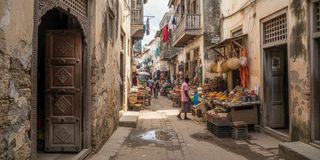
Zanzibar possesses a rare combination of assets found in few destinations globally. At the centre of its appeal is the historic Stone Town, a UNESCO World Heritage Site known for its Swahili architecture, Arab-African cultural fusion, and centuries-old trading history.
Unlike many island tourism destinations that rely mainly on beaches, Zanzibar combines marine tourism with deep historical and cultural identity. Visitors can experience taarab music, Swahili cuisine, traditional arts, spice tours, Islamic heritage, and internationally recognised festivals such as the Zanzibar International Film Festival and Sauti za Busara.
This integration of culture and tourism gives Zanzibar a competitive advantage over other Indian Ocean destinations such as Maldives, Mauritius, and Seychelles, which are often more dependent on luxury beach tourism alone.
Tourism experts note that modern travellers increasingly value destinations with strong identity, authenticity, and storytelling — areas where Zanzibar performs exceptionally well.
Tanzania’s broader tourism strength
Tanzania’s wider tourism ecosystem further strengthens Zanzibar’s potential. The country combines globally renowned wildlife tourism with cultural and coastal tourism, creating one of Africa’s most diversified tourism portfolios.
From the Maasai cultural traditions and Kondoa Rock Art Sites to Kilwa Kisiwani ruins and Swahili heritage towns, Tanzania possesses extraordinary cultural diversity with more than 120 ethnic groups and centuries of historical exchange.
The country is also witnessing growth in creative industries including music, film, fashion, gastronomy, and performing arts, all of which contribute directly to cultural tourism development.
According to the World Travel & Tourism Council (WTTC), tourism remains one of Tanzania’s most important foreign exchange earners and employment generators.
Cultural tourism is increasingly viewed as a way to expand benefits beyond traditional safari tourism while empowering youth, women, and local communities.
Experts say cultural tourism offers higher economic value than many forms of mass tourism because visitors tend to stay longer, spend more locally, and support small and medium enterprises.
The sector also aligns with sustainable development priorities promoted by the United Nations Environment Programme (UNEP), which encourages environmentally sustainable and community-based tourism models.
Challenges and the road forward
Despite the enormous potential, challenges remain. Enabling policies, infrastructure development, heritage preservation, climate resilience, skills training, and investment in creative industries are critical for long-term success.
Tourism leaders and stakeholders in East Africa must strengthen branding, improve cultural preservation policies, invest in digital tourism marketing, and build stronger continental and global partnerships between governments, private operators, artists, and local communities.
If properly managed, Tanzania and Zanzibar could emerge not only as African cultural tourism leaders but as globally recognised centres of cultural tourism excellence.
As the world searches for more authentic and transformative travel experiences, the Swahili Coast may soon become one of the defining cultural tourism destinations of the 21st century.