Learning without limits: How World Vision Tanzania is opening doors to education for every child
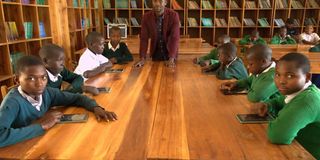
Learning through the digital process at Kamara Primary School library is one of the landmark outcomes of the World Vision Tanzania’s Rukoma Area Programme.
Education is more than lessons in a classroom. It is hope, protection, and a pathway to a better future. As the world marks the International Day of Education, World Vision Tanzania (WVT) is using this moment to reflect, renew commitment, and call for stronger action to ensure that every child in Tanzania—especially the most vulnerable—can learn, grow, and thrive.
For World Vision Tanzania, the International Day of Education is not just a celebration. It is a reminder that education is a fundamental human right and a powerful driver of sustainable development.
In a country where progress has been made in expanding access to schooling, many children in rural and marginalized communities are still being left behind. This day provides an opportunity to highlight achievements, acknowledge gaps, and strengthen collective efforts to deliver quality, equitable education for all children.
Education in Tanzania: Progress and persistent gaps
Tanzania has made notable strides in increasing school enrolment over the past decades. More children are entering primary school, and national policies emphasize inclusive and quality education. However, behind these gains lie deep inequalities. Children in remote areas often walk long distances—sometimes up to 10 kilometers—to reach school.
Many schools face shortages of trained teachers, overcrowded classrooms, and limited teaching materials. Early Childhood Development (ECD) services remain insufficient, leaving young children without the strong foundation they need to succeed later in life. Socio-economic challenges also affect learning. Poverty forces some children to miss school to support household chores or income-generating activities.
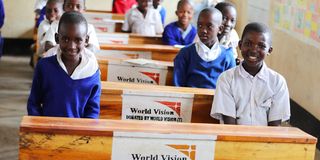
Desks supported by World Vision Tanzania at Ufala pupils, Kahama Municipal.
Girls, in particular, face barriers linked to early marriage, household responsibilities, and cultural norms that undervalue their education.
Children with disabilities often experience stigma and lack access to supportive learning environments. These realities underline why education must be addressed not only at school level, but also within families, communities, and systems.
World Vision Tanzania’s holistic approach to education
World Vision Tanzania responds to these challenges through a comprehensive, child-centred approach. Education programmes are designed to strengthen learning from early childhood through adolescence, while addressing the social, economic, and environmental factors that affect children’s ability to stay in school.
A key focus is improving the quality of teaching and learning. Teachers are trained in evidence-based literacy and child-centred methods that make learning more engaging and effective.
Schools receive support to improve classroom environments, including desks, teaching materials, and safe water facilities. These improvements help create spaces where children feel safe, healthy, and motivated to learn.
At the same time, WVT recognizes that learning does not stop at the school gate. Parents and caregivers play a critical role in children’s success.
Through community sessions, parents learn simple but powerful techniques such as storytelling, reading pictures, and creating routines that support learning at home. Even in households with limited literacy, these practices help children develop language, confidence, and curiosity.
Strengthening early childhood development
Early Childhood Development is one of the strongest predictors of lifelong learning. Children who start school with basic literacy, numeracy, and social skills are more likely to succeed and remain in school. Yet in many rural areas, ECD services are either limited or nonexistent.
World Vision Tanzania addresses this gap by supporting the establishment and improvement of ECD classrooms within primary schools. Working closely with district councils, the organization has strengthened 113 ECD centres, currently serving more than 447 young children.
Teachers are trained in child-centred approaches that nurture early literacy, cognitive development, and social skills. Classrooms are equipped with engaging and locally made-learning materials that make learning fun and meaningful.
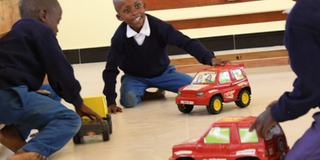
James (5) is among the children who attend in Early Childhood Development classes. He is attending ECD at Wangamaganga Primary School, Iringa Region.
Parents are encouraged to take an active role in early learning. Simple practices such as storytelling, singing, and picture reading at home help children build a strong foundation before entering primary school.
Policy advocacy at local level ensures that ECD remains a priority in education planning, supporting sustainability beyond individual projects.
Leaving no child behind: Inclusion and equity
Equity and inclusion are at the heart of World Vision Tanzania’s education work. Special attention is given to girls, children with disabilities, and children from low-income families. Communities are supported to identify and enroll the most vulnerable children who are often excluded from education.
Schools are assisted in improving learning conditions that enhance girls’ safety, reducing stigma toward children with disabilities, and providing learning materials for children who cannot afford them. Parents and caregivers receive guidance on creating positive home environments that encourage girls’ education and support children with special needs.
These efforts are producing results. Enrolment rates in supported areas have reached 98 percent among children aged 3–18. Dropout rates have reduced from 2.5 percent in 2023 to 1.8 percent in 2025, showing improved retention and consistent attendance.
Education in emergencies: Learning as a lifeline
Tanzania is vulnerable to climate shocks such as floods and droughts, which disrupt schooling and place children at greater risk of exploitation, violence, and early marriage. World Vision Tanzania works under the Education in Emergencies framework, recognizing education as a life-saving intervention during crises.
When disasters strike, WVT collaborates with communities and government authorities to establish safe and inclusive temporary learning spaces.
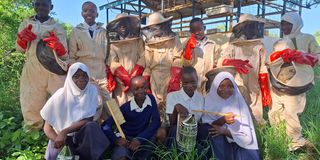
Young conservationists at Kitunduweta Primary School, in Morogoro Region explore modern, safe beekeeping tools to strengthen the bee value chain.
During the 2024 floods in Hanang, the organization partnered with the Government to provide school supplies, meals, and mattresses to the affected families, enabling children to return to learning quickly.
In earlier drought responses in Tanga and Arusha, WVT supported school meals in collaboration with Save the Children and government agencies, helping children remain in school despite food shortages.
Schools in emergencies offer more than education. They provide structure, protection, and emotional stability—critical elements for children recovering from trauma.
Empowering teachers and improving infrastructure
Teachers are central to quality education. World Vision Tanzania invests in building their capacity and improving their working conditions.
Teachers receive training in effective literacy instruction and modern child-centred methods. Infrastructure support includes the construction of classrooms, teachers’ offices, and ECD facilities, ensuring safe and conducive learning environments.
These investments not only benefit learners, but also motivate teachers and strengthen the overall education system. At national and local levels, WVT works with government stakeholders to influence education policies and promote stronger systems that support both teachers and students.
Preparing youth for the future
Education must prepare children and youth for life beyond school. In line with global conversations on education for the future, World Vision Tanzania integrates life skills, digital literacy, and vocational training into its programmes.
In the Rukoma Area Programme, the Digital Learning Project has equipped 13 primary schools and one secondary school with e-learning facilities.
The initiative has reached 782 pupils, improving classroom engagement and confidence in using technology. Lessons are more interactive, and students are better prepared for a digital world.
Youth also gain practical skills through initiatives such as the Farmer Managed Natural Regeneration project in Ulaya. Young people participate in tree restoration, recycling, and modern bee-keeping, gaining income-generating skills while contributing to environmental conservation. These experiences promote self-reliance, resilience, and responsibility.
Partnerships that multiply impact
World Vision Tanzania’s achievements are made possible through strong partnerships. Collaboration with government institutions ensures alignment with national priorities such as the Education Sector Development Plan and the Education and Training Policy. Parents, communities, and school management committees play a vital role in sustaining change.
In the Nyololo Area Programme, joint efforts between parents, local government, and partners increased the proportion of children receiving school meals to 85 percent. Infrastructure improvements, including school kitchens and energy-saving stoves, show how shared responsibility enhances learning conditions.
Civil society platforms such as Citizen Voice and Action promote accountability and inclusive dialogue, strengthening education systems from the ground up.
Impact Story: Wheels of hope in Ulaya
In 2025, World Vision's Ulaya Area Programme in Morogoro Region partnered with CCBRT to conduct a life-changing outreach for children with disabilities. Twenty-eight children received medical examinations, and twelve were referred to CCBRT Moshi for specialized treatment. Seven children were provided with wheel-chairs.
For families who had struggled for years, this support was transformative. The wheelchairs restored mobility, dignity, and hope.
Children who once stayed at home can now attend school regularly, access health services, and participate in community life. Parents speak of relief and joy as their children gain independence and new opportunities. Education, once out of reach, has become possible.
A call to action
As the world marks the International Day of Education, World Vision Tanzania calls on all stakeholders to act. Policy-makers are urged to invest more intentionally in early childhood development and foundational learning.
Parents and communities are encouraged to champion education at home and ensure children remain in school. Development partners and the private sector are invited to collaborate more deeply to close resource gaps and innovate solutions for marginalized children.
Education transforms lives. With collective commitment, Tanzania can ensure that every child—no matter where they are born or the challenges they face—has the opportunity to learn without limits and build a brighter future.