Transforming lives: The critical link between safe water and social services in Tanzania

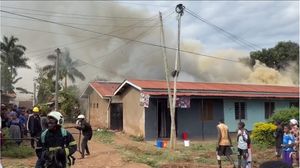
UNICEF supported emergency WASH interventions in Biharamulo District during the Marburg outbreak strengthened safe water supply and hygiene services in communities and healthcare facilities; helping protect children, families and health workers when access to clean water mattered most. (©️ UNICEF Tanzania /2024) (©️ UNICEF Tanzania /2024).


Access to clean water is the corner stone of effective social services, acting as a catalyst for improvements in education, healthcare, and climate change across Tanzania.

UNICEF, in partnership with the government, is transforming these sectors by implementing climate-resilient.

Water, Sanitation, and Hygiene (WASH) initiatives that protect children’s dignity and ensure the continuity of essential community services.

Water in schools: Protecting dignity and learning

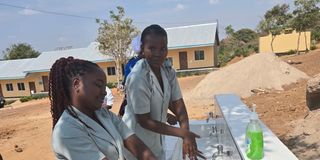
Across Iringa, Mbeya, Njombe, Songwe, and Kigoma regions in Mainland Tanzania, and in Zanzibar, improved school water and sanitation services are strengthening children’s health, dignity, and learning.

Reliable facilities help reduce absenteeism and ensure safe, supportive learning environments, particularly for girls, who need privacy and hygiene facilities to manage menstruation confidently.

In many schools, the absence of reliable water meant children struggled to drink safe water, wash their hands or maintain basic hygiene during the school day. For girls in particular, inadequate sanitation meant missed school days.

A solar panel powers a community water system in Kigoma Region is expanding climate-resilient water services that bring safe water closer to families and reduce long journeys for women and children ( ©️ UNICEF Tanzania /2026/Magari) /2024/Studio 19


UNICEF, in collaboration with the Government and partners, has supported efforts to bring safe water closer to schools, by building and rehabilitating climate-resilient and child-friendly WASH infrastructure, that are safe for children and able to withstand climate challenges.

These investments are complemented by school-based behavior change programmes that engage children in learning and practicing climate-resilient water, sanitation, and hygiene behaviors that extend beyond the classroom and into communities.

Over the past five years, improved water, sanitation, and hygiene facilities and services have been established or rehabilitated in over 110 schools across Tanzania, reaching more than 92,000 school children, including 48,000 girls.

Combined with school-based behaviour change programmes, these investments are helping create safer, healthier and more inclusive learning environments.

For adolescent girls’ access to safe water, private sanitation facilities, and menstrual hygiene spaces ensure that they can attend school with dignity and confidence, reducing absenteeism and helping them stay on track with their education, proving that when water flows in schools, equality grows.

Water in healthcare facilities: Protecting mothers and newborns

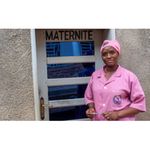
A reliable water supply is essential for safe, high-quality healthcare. Without water, health workers cannot wash their hands, sterilize equipment, or maintain the hygiene standards needed to safely assist childbirth and treat patients, putting mothers, newborns, and entire communities at risk.

Sabrina, a mother from Sasama village in Songwe Region, once feared giving birth at her local health facility due to inadequate water and sanitation.

“I was reluctant to give birth here at the health centre with all these water, sanitation, and hygiene problems. I didn’t want to risk my health or that of my baby. But delivering at home without a skilled attendant was equally risky,” says Sabrina.

This is why it is critical to strengthen services in healthcare facilities to improve infection prevention and control and ensure safer care for mothers and newborns.

In Songwe, Mbeya, and Kagera regions, UNICEF has supported the upgrading climate-resilient WASH infrastructure and healthcare waste management systems in healthcare facilities, enhancing quality of care and benefiting over 100,000 people, including a high proportion of women and children.

Facilities now have a reliable water supply, improved toilets, handwashing stations, laundry services, and proper waste management structures, ensuring safer environments for mothers, newborns, patients, and health workers.

Over the last five years, UNICEF-supported programmes have strengthened water and sanitation services in over 90 healthcare facilities across Tanzania, cumulatively benefiting over 300,000 mothers, newborns, healthcare workers, and patients.

These improvements reduce infection, protecting mothers during child birth, and ensure newborns begin life in clean, safe conditions.

Water in emergencies: Protecting children when it matters most

During emergencies, access to safe water becomes lifesaving. Whether facing disease outbreaks, floods, or natural disasters, reliable WASH services protect children and communities from infections and disruptions.

During the Marburg virus outbreak in Kagera Region, working closely with the Government and partners, UNICEF’s emergency water intervention in Biharamulo District helped improve water supply and sanitation services at Biharamulo District Hospital, which served as the main Marburg Treatment Unit.

Support included new borehole drilling, construction of a 50,000-litre elevated water reservoir, construction of a pump house, installation of a pumping system, and connection of water to hospital buildings to ensure uninterrupted 24-hour service.

Handwashing facilities were also installed at all entrances to strengthen infection prevention and control at a critical time.

In Katerela village, a Marburg dis ease hotspot, UNICEF supported the installation of a solar power system, construction of a 50,000-litre water reservoir, installation of water distribution systems, and capacity building for community water committee members to ensure future sustainability and reliable operation of the services.

These emergency WASH interventions reached over 400,000 people, including more than 220,000 children, and strengthened five addition al healthcare facilities with essential hygiene services.

These interventions are especially vital in refugee camps hosting families during natural disasters such as the landslides in Hanang District and floods in Rufiji, where access to clean water and sanitation plays a lifesaving role in preventing waterborne diseases such as diarrhoea and cholera.

Even after crises subside, these investments continue to serve com munities, helping children and com munities stay safe, healthy, and resilient.

Climate-resilient services: Preparing children for a changing water future

Climate change is already reshaping children’s lives in Tanzania through water scarcity, flooding, disease out breaks and disruptions to schooling and health services.

UNICEF works with Government and partners to build climate-resilient systems that protect children’s wellbeing and ensure continuity of learning, health, and essential services.

This includes strengthening infra structure, promoting water conservation activities such tree planting and cleaning of the environment, and equipping children and young people with the knowledge and skills to respond to climate challenges and take meaningful climate action that protects the environment, water sources, and vital services.

In Zanzibar, UNICEF in collaboration with government and partners are strengthening youth led climate action and climate resilient services across 216 secondary schools across all 11 districts of Unguja and Pemba. Young people are gaining practical skills in water conservation, environmental protection, and climate resilience.

Infrastructure Investment in Zanzibar includes improvements to school water supply systems, sanitation facilities, and handwashing stations, including the construction of 23 toilet blocks with 190 cubicles and reliable water systems in 13 schools in Pemba.

Young people are also playing an increasingly important role in driving climate action. Through School Water, Sanitation, and Hygiene clubs, students are learning to become champions of water conservation, hygiene, and environmental protection within their schools and communities.

Clubs empower children to adopt improved behaviours while encouraging their families and peers to protect precious water resources.

Beyond schools, UNICEF supports opportunities for young people to participate in national and global climate dialogues where they gain knowledge, confidence, and visibility to advocate for climate action and sustainable water management, ensuring that their voices shape the solutions of tomorrow.

Strengthening systems: building the foundation for sustainable water and equality

Behind every functioning water point, safe school toilet, or reliable health facility handwashing station lies a strong, accountable, and well-re sourced system, coordination and accountability that can keep services running for years to come. Tanzania has made notable progress in expanding access to safe water in recent years.

According to the WHO/UNICEF Joint Monitoring Programme for Water Supply, Sanitation and Hygiene, the proportion of people using at least basic drinking water services rose from around 50 per cent in 2015 to about 64 per cent in 2024.

Nevertheless, sustaining and scaling these gains requires robust policies, capable institutions, sustainable financing, and strong monitoring systems that ensure services last long after projects end.

That is why UNICEF supports Government led efforts to strengthen national and subnational systems for planning, budgeting, coordination, implementation, and accountability.

Monitoring systems are being improved through better digital plat forms, routine data guidelines, and stronger evaluation capacity.

Similarly, UNICEF supports cross sectoral action on adolescent girls’ needs through national guidance on menstrual health and hygiene that highlights the critical importance of water, privacy, and hygiene services to support girls and women across all settings.

These systems’ efforts matter because water and gender equality are inseparable. Structural inequalities shape who has access to services, who bears the burden of scarcity, and who participates in decision making.

By strengthening systems and embedding gender-responsive standards, UNICEF helps ensure progress reaches those most often left behind, especially girls.

A solar panel powers a community water system in Kigoma Region is expanding climate-resilient water services that bring safe water closer to families and reduce long journeys for women and children ( ©️ UNICEF Tanzania /2026/Magari) /2024/Studio 19


Partnerships: Working together for sustainable access to safe water

Expanding access to safe water across Tanzania requires strong and sustained partnerships. Meaningful progress depends on coordinated action, shared responsibility, and long-term investment from the Government, development partners, and communities.

UNICEF works closely with the Government of Tanzania, including key institutions such as the Minis try of Water, the Rural Water Supply and Sanitation Agency, the Ministry of Health, the Ministry of Education, Science and Technology, and the Prime Minister’s Office – Regional Administration and Local Government, as well as relevant authorities in Zanzibar including the Ministry of Water, Energy and Minerals (MoWEM) and the Zanzibar Water Authority (ZAWA) to strengthen water and sanitation services across communities, schools and healthcare facilities.

These collaborations ensure national ownership, reinforce policy implementation, and help services reach the most vulnerable children. These efforts are made possible through the support of a wide range of development partners and donors, including the Government of the Netherlands, Japan, Ireland, Nor way, the Republic of Korea, the Grund fos Foundation, Republic of Korea, the Education Above All Foundation, the Qatar Fund for Development, the U.S Center for Disease Control and Prevention (CDC) and others.

UNICEF also collaborates with United Nations sister agencies. Both international and national civil society organizations, including partners such as Water Mission, Sanitation and Water Action, Environmental Engineering and Pollution Control Organisation, People’s Development Forum, Tanganyika Christian Refugee Service, as well as Tanzania Red Cross Society, whose technical expertise and community presence help ensure solutions are both impactful and sustainable. Over 7.5 million children and families were reached in the last five years.