Pemba. For decades, Pemba Island has existed quietly in the shadow of Zanzibar’s more commercially developed tourism destinations.
Known largely for its clove farms, deep-sea diving sites and unspoiled coastline, the island has traditionally attracted a smaller category of travellers seeking privacy, nature and a slower pace of life.
A new generation of hospitality investments is positioning Pemba as a potential hub for luxury wellness tourism in East Africa, reflecting broader changes in global travel patterns where visitors are increasingly prioritising wellbeing, sustainability and immersive experiences over conventional beach holidays.
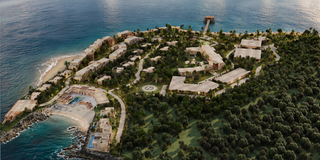
Among the latest developments is the upcoming NH Collection Pemba Wellness Resort, a large-scale project expected to open in the coming weeks.
The resort forms part of a wider shift taking place across Zanzibar as investors and tourism authorities seek to diversify the islands’ tourism economy and attract higher-spending international travellers.
The project includes 171 accommodation units ranging from suites to private villas with pools, alongside extensive wellness facilities designed around preventive healthcare and lifestyle tourism.
Unlike traditional resort models focused mainly on leisure and nightlife, wellness-focused hospitality increasingly combines luxury accommodation with health, recovery and nature-based experiences.
Facilities at the Pemba development include spa treatment areas, salt therapy rooms, saunas, hammams, rehabilitation spaces and recovery treatments such as cryotherapy and hyperbaric oxygen therapy.
The resort also incorporates cycling and walking trails, fitness spaces and beachfront dining areas integrated into the island’s landscape.
Industry analysts say the project reflects a larger repositioning effort for Zanzibar tourism, particularly as destinations globally compete for travellers seeking longer stays and experience-driven travel.
“Tourism is changing significantly after the pandemic years,” said one tourism consultant based in East Africa. “People are increasingly travelling for wellness, mental recovery, fitness and nature immersion. Destinations that can combine luxury with authenticity are becoming more competitive internationally.”
For Pemba, infrastructure improvements are also helping to reshape perceptions around accessibility and investment potential. The ongoing reconstruction of Pemba Airport, alongside road network upgrades undertaken by the Revolutionary Government of Zanzibar, is expected to improve connectivity to the island and support higher-end tourism activity.
Historically, limited infrastructure has partly insulated Pemba from the rapid commercialisation seen in some parts of Unguja. While that preserved much of the island’s natural character, it also slowed large-scale hospitality investment.
That dynamic now appears to be shifting.
Tourism stakeholders say Pemba’s relative lack of overdevelopment could become one of its strongest competitive advantages at a time when many international travellers are seeking quieter and less congested destinations.
“Pemba still offers a sense of exclusivity and authenticity that is becoming harder to find globally,” said a Zanzibar-based tourism operator. “The challenge will be growing tourism without losing the identity that makes the island attractive in the first place.”
The rise of wellness tourism is also creating new economic opportunities beyond traditional hotel operations. Analysts note that large hospitality developments typically generate demand across supply chains including construction, agriculture, transport, food services and local tourism activities.
At the same time, concerns around environmental sustainability and local participation are expected to become increasingly central as investment into the island accelerates.
Pemba’s marine ecosystems, forests and coastal environment remain among its most valuable tourism assets, making conservation and responsible development critical to the island’s long-term positioning.
Globally, the wellness tourism market has expanded rapidly in recent years, driven by rising consumer interest in preventive health, fitness and lifestyle-focused travel.
International hospitality brands are increasingly integrating medical wellness, spa experiences and holistic living concepts into resort developments as competition intensifies across tourism markets.
The NH Collection project, developed by Infinity Developments, is among the most ambitious wellness-focused hospitality investments undertaken in Zanzibar to date.
The development is expected to further test whether Pemba can emerge as a serious player in the Indian Ocean’s luxury tourism market alongside destinations such as the Maldives, Seychelles and Mauritius.
For Zanzibar, the broader ambition goes beyond attracting more visitors. Policymakers and tourism investors increasingly want to move the islands up the value chain by targeting