Dodoma. Tanzania is banking on the 2027 Africa Cup of Nations (Afcon) to unlock billions of dollars in tourism revenues, with the government unveiling an extensive strategy to market the country to millions of football fans worldwide.
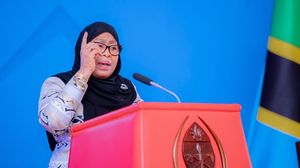
Presenting the Ministry of Natural Resources and Tourism budget in Parliament on Friday, May 15, the docket's minister, Dr Ashatu Kijaji said the tournament presents a rare opportunity to position Tanzania as a premier global tourism destination.
Tanzania will co-host the 2027 Afcon tournament alongside Kenya and Uganda.
According to the minister, the tournament is expected to attract about 1.8 million stadium spectators and a global television audience of 1.9 billion viewers through more than 185 broadcasters worldwide. The tournament is also projected to generate economic benefits exceeding $2 billion.
“As one of the host nations, the ministry has prepared a strategy to promote Tanzania as a unique tourism destination before, during and after the tournament,” Dr Kijaji told Parliament.
The government plans to begin international tourism campaigns during the 2026 FIFA World Cup in the United States, where Tanzania intends to use digital billboards and partnerships with globally recognised sports broadcasters to showcase the country’s attractions.
The strategy also includes using celebrity athletes and social media influencers to market Tanzania’s tourism attractions across platforms such as Instagram, TikTok, Facebook, LinkedIn and X.
“Various promotional content aimed at marketing Tanzania will be recorded and shared through different websites and social media platforms,” the minister said.
To prepare for the expected influx of visitors, the government is investing in tourism infrastructure, including roads, airports, accommodation facilities and park gates.
Among projects underway are upgrades to roads linking Seronera, Naabi, Ikoma and Lobo inside Serengeti National Park to ensure accessibility before and during the tournament.
The ministry is also improving accommodation and visitor services in Sahare, Makuyuni, Wamimbiki and Pande areas to meet international standards.
In another major initiative, the government plans to connect Mikumi National Park to the Standard Gauge Railway through the construction of a new entry gate at Kilosa.
The project is expected to make it easier for Afcon visitors arriving in Dar es Salaam to travel by train to Mikumi for wildlife tourism experiences.
The ministry has also completed construction of an international-standard golf course within the Serengeti ecosystem to attract sports tourists visiting during the tournament.
To improve service delivery, the government has already launched a nationwide tourism hospitality training programme targeting tour guides and players across the tourism value chain.
“In the first phase, 2,228 tour guides have received training to improve services, and the programme continues in other strategic areas expected to receive visitors,” Dr Kijaji said.
The ministry also plans to work with private sector stakeholders to prepare special tourism packages bundling transport, accommodation, food and excursions for Afcon visitors.
Tourism advertisements will be placed inside stadiums and fan zones to encourage football supporters to visit Tanzania’s attractions during and after the tournament.
In addition, the government plans to continue promoting Tanzania even after Afcon through special post-tournament campaigns, incentive trips and collaborations with prominent participants and influencers.
“Through this event, the government aims to stimulate tourism growth and the wider economy by capitalising on improved infrastructure, including airports, roads and accommodation facilities, to attract more international events and investments,” the minister said.
The ministry also believes digital innovation will play a central role in the Afcon strategy.
Through the Tanzania Travel Companion platform, visitors will be able to access travel information, make bookings and receive instant guidance through an AI chatbot available in more than 56 languages.
Dr Kijaji said the government was determined to use Afcon 2027 not only as a sporting spectacle but also as a long-term catalyst for tourism growth, investment and job creation.