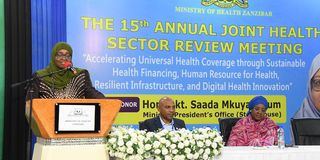
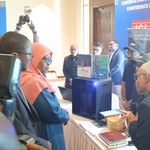
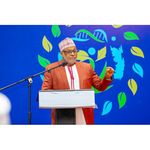
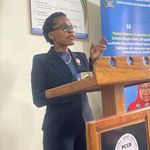
Unguja. The Zanzibar Revolutionary Government (ZRG) said it is taking key steps to deepen health sector reforms, including increasing the drugs budget to eliminate cases of patients failing to access medicines at health facilities.
This was said on Wednesday, April 15, 2026, by acting minister for Health, Dr Saada Mkuya, during the opening of the 15th health sector review meeting, where she said the government is strengthening transparency and accountability in the use of public funds.
“The Revolutionary Government of Zanzibar is continuing to improve health services. It plans to increase the budget, where in 2023/24 it allocated Sh20.4 billion for medicines, and this rose to Sh36.1 billion in 2024/25,” she said.
“This is a major step, and we are determined to ensure that the availability of medicines in government hospitals, especially at the primary level, reaches 100 percent from the current 82.4 percent, so that every patient who visits a hospital receives all essential medicines,” added Dr Mkuya.
On human resources, which remains a key challenge, Dr Mkuya said assessments at all levels had identified a shortage of 3,574 health workers, noting that the government is working to fill the gap through upcoming recruitment exercises.
She said more than 1,500 vacancies are expected to be advertised in the sector to address the shortage.
Furthermore, Dr Mkuya, who is also Minister in the President’s Office (State House), said the government wants health workers to be present at their workplaces and is strengthening supervision systems.
“When citizens go to health facilities, they should not find that there is no doctor. That is where we want to go,” she said.
She also said the government has set a target of 3,000 community health workers by 2027, adding that 2,292 have so far been trained and are ready to deliver services.
World Health Organisation (WHO) Head of Liaison Office, Zanzibar, Dr Ndoungou Salla Ba, said that in the past year, there has been notable progress towards sustainable health financing, driven by increased domestic contributions and the launch of the Zanzibar Health Services Fund.
He said the shift towards direct financing of health facilities could transform primary healthcare in Zanzibar by increasing decision-making autonomy while strengthening accountability through health facility management committees.
“As development partners, we feel honoured and proud to support the ministry in these efforts,” she said.
“While we celebrate these achievements, we must also acknowledge areas that require urgent action. Maternal deaths are stagnating. As of 2025, we have recorded 122 deaths, a figure that has remained unchanged since 2022, and we are still far from the Sustainable Development Goals,” added Dr Salla Ba.
She added that child mortality remains high and continues to place a heavy burden on families, “We must do better and accelerate progress. We are also facing malnutrition, micronutrient deficiencies, and, as seen recently, rising levels of obesity.”
The Ministry of Health Director-General, Dr Amour Suleiman Mohamed, said the discussions had reinforced the need for evidence-based planning and data-driven decision-making in the health sector.
He said the deliberations are expected to move the sector beyond routine practices and support innovative solutions to improve performance.
Dr Mohamed added that progress is being recorded in maternal health services, noting that although first antenatal clinic attendance rose significantly between 2022 and 2024, reaching more than 80 percent in 2024/25, challenges still remain in identifying and managing high-risk pregnancies.
“Severe anaemia, which has remained largely unchanged, is still a challenge. This shows that although severe cases are not very common, it remains a key issue requiring continued communication, community awareness and stronger primary healthcare services to ensure early detection and management of high-risk pregnancies and reduce maternal deaths,” he said.