MCL
|
MwanaClick
Home
National
international
More
•••
Sign in
My Account
Personal details
Change password
Purchases
Sign out
Search
Home
News
National
international
Sports
Football
Basketball
Athletics
Swimming
Business
Finance
Enterprise
Boss Talk
OpEd
Editorials
Our Columnists
Guest Columns
Cartoon
Puzzles
Zanzibar
Tourism
Blue Economy
Real Estate
Tech Page
Magazines
The Beat
Smart World
Political Reforms
Market Data
Jobs
Notices
Tenders
Notices
Tenders
Services
MCL
MwanaClick
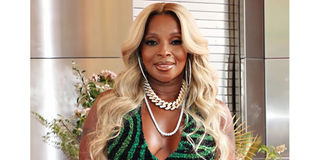
Mary J. Blige almost sang ‘Umbrella’, here’s why she passed
Thursday, January 22, 2026
- 2 min read
By
Ramadhani Ismail
Journalist
Mwananchi Communications Limited
What you need to know:
In 2007, Rihanna releases ‘Umbrella’, and it becomes a worldwide phenomenon, cementing her place as a global superstar. Reflecting on the song now, Blige says she instantly sees why it is perfect for Rihanna.
Also Read
Samia to grace Great Lakes women parliamentarians’ conference
SGR passengers to get free heart screening worth Sh500,000
Latest
Samia to grace Great Lakes women parliamentarians’ conference
SGR passengers to get free heart screening worth Sh500,000
NHIF registers 276,004 households as rehabilitation funding concerns grow
Four in 10 Njombe children fail to meet basic reading standard, Uwezo finds
Othman’s return to Zanzibar Government puts political promises to the test
Ride-hailing safety gap exposed as drivers bypass crucial checks
In the headlines
View All
Ride-hailing safety gap exposed as drivers bypass crucial checks
Dr Nchemba calls for ‘business unusual’ to deliver Vision 2050
Rostam Azizi challenges governments to earn investor confidence
British Airways returns to Tanzania with direct flights to Kilimanjaro and Zanzibar