According to the World Health Organisation, Africa carries over 90 percent of the global burden of schistosomiasis, affecting communities living near lakes, rivers, and irrigation schemes most
Dar es Salaam. Neglected Tropical Diseases (NTDs) are rarely in the headlines, yet they quietly affect the health, productivity, and dignity of millions of Tanzanians, experts have said.
According to them, these diseases mostly target the poorest and most vulnerable, spreading where access to clean water is limited, sanitation is poor, and health services are weak.
Among them, schistosomiasis and its little-known form, Female Genital Schistosomiasis (FGS), is emerging as a serious but overlooked public health threat.
According to the World Health Organisation (WHO), Africa carries over 90 percent of the global burden of schistosomiasis. In Tanzania, communities living near lakes, rivers, and irrigation schemes are at highest risk, as they rely on freshwater sources for daily life.
While intestinal and urinary schistosomiasis are fairly well known, FGS remains largely hidden, even though it affects millions of women and girls.
FGS occurs when parasitic worms lodge in the female genital tract, causing inflammation and lesions. Experts estimate that over 56 million women and girls across sub-Saharan Africa are affected. Yet, the disease is often mistaken for sexually transmitted infections or even cervical cancer. Misdiagnosis fuels stigma, delays treatment, and causes unnecessary suffering.
FGS also raises other health risks. Women with the disease are three times more likely to contract HIV and have a higher risk of human papilloma virus (HPV), which can lead to cervical cancer. It can also cause infertility, miscarriages, and stillbirths.
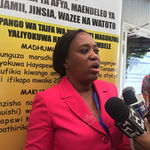
These consequences extend beyond health, affecting women’s social and economic wellbeing. In an interview with The Citizen on February 10, 2026, Programme Coordinator of the Mwele Malecela Days of Action (Mwele-DOA), Dr Kuduishe Kisowile, says: “We are treating Female Genital Schistosomiasis not just as a neglected tropical disease but also as a risk factor for HIV and cervical cancer.
Integrating FGS care into existing reproductive health services will protect women and girls from preventable complications, infertility, stigma, and misdiagnosis.”
Adding perspective, a reproductive health expert with the Ministry of Health, Dr Amina Mohamed, explains: “Many women suffer silently because FGS is rarely checked in routine health visits. Raising awareness among both communities and health workers is crucial to ensure early detection and treatment.”
Similarly, an infectious disease researcher at Muhimbili University, Dr James Mwita, notes: “Treating schistosomiasis and FGS cannot be done in isolation. We must link these efforts to water and sanitation projects, sexual health services, and education programmes to reduce reinfection and long-term complications.”
Historically, NTDs in Tanzania have been addressed through separate campaigns, often disconnected from broader health services. Mass drug administration (MDA) with praziquantel has reduced illness, but it has not stopped transmission or treated chronic conditions like FGS.
Experts say that fully tackling NTDs requires integrating prevention and treatment into general health services, as well as linking them to clean water, sanitation, hygiene (WASH), and gender-focused initiatives.
Tanzania has made progress in recent years. The Ministry of Health has aligned national NTD strategies with the WHO NTD Roadmap 2021–2030, emphasising community involvement, data-driven approaches, and integration with existing health services.
Preventive drug campaigns continue in high-risk areas, while partnerships with WHO, Unlimit Health, and local organisations support research, advocacy, and community outreach.
Among local initiatives, Mwele-DOA has focused on raising awareness and empowering communities to act. Its activities include training youth and community health workers, educating parents and food vendors about hygiene and disease prevention, and advocating for FGS to be included in national health guidelines.
While not the only actor, Mwele-DOA demonstrates the importance of community engagement in fighting NTDs.
Controlling NTDs also supports Tanzania’s broader Universal Health Coverage (UHC) agenda. By embedding NTD care into primary health services, the country can improve access to preventive care, reduce long-term health costs, and strengthen health systems.
Tackling NTDs also contributes to gender equality, child health, and economic development by preventing diseases that keep women and children in cycles of poverty and illness.
Experts warn that ignoring FGS and other NTDs has long-term consequences. Without early detection and integrated care, women will continue to suffer in silence, while the health system misses opportunities to prevent HIV, cervical cancer, and reproductive complications.