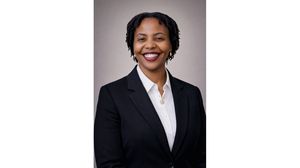
For more than a decade at the Geita Gold Mine, Miss Esther Maghembe has worked at the technical core of mining operations.
As a Senior Resource Modelling Geologist, she translates drilling data and geological interpretation into resource models that guide mine planning, investment decisions and long-term strategy.
Her role demands rigour, precision and confidence in defending complex interpretations before planners and senior leadership.
Every model she signs off carries operational and financial consequences.
Credibility in such a space is not assumed. When Miss Maghembe began her career, women in senior technical site roles were still rare. In early meetings, she would look around the table and realise she was often the only woman present.
The challenges were subtle but repeated. Questions were revisited, assumptions about her capabilities were discreetly tested and the expectations on her were tempered before she had even spoken. She chose to confront these moments by outworking them.
Resource modelling leaves little room for error. It requires analytical discipline and calm authority under pressure. Miss Maghembe built her reputation over time, as each model and presentation withstood the scrutiny, she earned the immense trust and respect of her peers. Her voice carried weight because her work consistently did.
The professional growth she experienced did not occur in isolation from personal milestones. As she grew in her career, her family continued to grow too.
Over the course of her career, she navigated three pregnancies while remaining active on site. She remembers the physical strain of steel-capped boots on swollen feet, protective overalls stretched across a growing belly, but also the mental focus required to continue leading technical discussions and managing deliverables.
“I wore a hard hat through 3 pregnancies” she reflects.
Production schedules did not pause, and neither did she. She continued overseeing geological modelling work, leading her team, and meeting operational timelines.
Each experience strengthened her conviction that leadership and motherhood are not opposing ambitions. They are parallel responsibilities that demand the same discipline.
The mine site was not always designed with women in mind. Infrastructure gaps and practical limitations were realities she encountered. But she navigated them without diminishing her professional standards or lowering her expectations of herself.
Sustaining that trajectory required support. Esther credits colleagues who respected her technical expertise, leaders who measured performance objectively, and family who anchored her through long shifts and site rotations.
“No one thrives alone,” she says, acknowledging that resilience is often reinforced by community.
Today, she leads a team of more than ten professionals. The young geologists she mentors see her technical confidence and decisiveness.
What they may not immediately see is the discipline behind it formed through years of refining expertise in rooms where she initially felt outnumbered, balancing site demands with family life, and choosing the pain of consistency.
Miss Maghembe does not romanticise her journey. She speaks of the responsibility to uphold technical excellence, to mentor intentionally, and to make space visible for the next generation of women entering science and mining.
In her views, representation is practical. When young women can see someone occupying a role competently and confidently, the possibility becomes tangible for them.
Her story is framed around steadily occupying space. Miss Esther Maghembe has built her career uncovering value in ore bodies, in the teams she leads, and in herself.