Geneva. The Inter-Parliamentary Union (IPU) is entering a historic transition that will reshape the world’s oldest international parliamentary body, with Secretary General Martin Chungong set to conclude his tenure at the end of June before formally handing over to Ambassador Anda Filip, who will become the first woman to serve as IPU Secretary General in the organisation’s 130-year history.
The transition marks the end of Chungong’s decade-long leadership, during which he championed parliamentary strengthening, youth participation and gender equality across member parliaments.
His successor, Ambassador Filip of Romania, brings extensive multilateral experience to the role. She previously served as her country’s Permanent Representative to the United Nations in Geneva and has been a vocal advocate for institutional reform and inclusive governance.
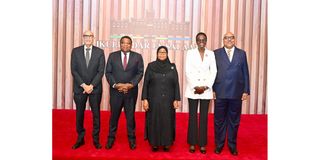
IPU President, Dr Tulia Ackson of Tanzania is expected to chair the Executive Committee session in Geneva that will oversee the transition.
Dr Ackson made history in 2023 as the first Tanzanian and the first East African woman to be elected IPU president.
During her tenure, she has championed greater representation of African parliaments and stronger parliamentary action on climate change, health and digital cooperation.
The leadership change comes just months before Tanzania hosts the 153rd IPU Assembly in Arusha this October.
The Assembly is the IPU’s principal statutory body, bringing together Speakers of Parliament and legislators from 179 member parliaments.
Organisers expect more than 2,000 delegates to attend, making it one of the largest diplomatic gatherings ever hosted in Tanzania.
A key item on the Arusha agenda will be the election of a new IPU president to succeed Dr Ackson, whose three-year term will conclude during the Assembly.
The election is expected to attract significant attention, as the IPU president helps shape the organisation’s political direction and represents parliaments globally at high-level United Nations meetings.
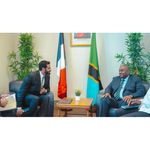
Tanzania’s diplomatic mission in Geneva has also played a key role in preparations for the Assembly.
Tanzania’s Deputy Permanent Representative in Geneva, Ambassador Hoyce Temu, has been involved in coordinating with the IPU Secretariat and member states ahead of both the leadership transition and the Arusha meeting.
The Permanent Mission has facilitated technical consultations on agenda priorities, logistics and parliamentary participation.
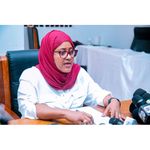
Dr Temu described the transition as a reflection of the progress made in multilateral diplomacy.
“Tanzania’s engagement goes beyond hosting. We are helping shape the substance. From climate language to digital inclusion, Tanzania’s voice is in the drafting room,” she said.
With the Arusha Assembly approaching, Tanzania is also working to ensure strong African parliamentary participation and side events focusing on women and youth leadership.
“The IPU is a parliament of parliaments. Our job is to make sure every delegation arrives ready to legislate, not just to attend,” she added.
The October Assembly will carry particular symbolic significance for Tanzania.
President Samia Suluhu Hassan will host the Assembly, reinforcing Tanzania’s growing profile in multilateral diplomacy. Ambassador Filip will preside over her first IPU Assembly as Secretary General, only months after assuming office, while Dr Ackson will chair her final Assembly as IPU president, concluding a tenure that elevated Tanzania’s parliamentary diplomacy on the global stage.
The convergence of these leadership roles has been informally dubbed “The Triple Three”, reflecting the prominence of women in key positions during the Assembly.
For the first time in the organisation’s history, the IPU’s top elected office, its top administrative office and the head of state hosting the Assembly will all be held by women, with Tanzania at the centre of the milestone.
Founded in 1889, the IPU has never before had a female Secretary General.
The organisation works to facilitate parliamentary dialogue, promote democratic standards and mobilise legislative action on global challenges ranging from peace and security to sustainable development.
The Arusha Assembly is expected to focus on parliamentary responses to climate change, digital governance and peacebuilding, themes that have featured prominently during Dr Ackson’s presidency.
Side meetings are also expected to address women’s political participation and youth engagement, aligning with the broader significance of the leadership transition underway.
For Tanzania, hosting the 153rd Assembly caps a period of growing visibility in global parliamentary affairs, following the country’s active participation in IPU committees and Dr Ackson’s leadership of the organisation since 2023.