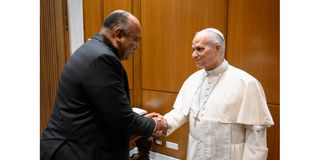
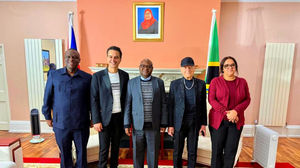
Mr Kombo is on an international tour and conveyed a message to the Pontiff from President Samia Suluhu Hassan, who was confirmed as Tanzania’s leader following the October 2025 polls.
Vatican City. Pope Leo XIV on Wednesday met Tanzania’s Minister for Foreign Affairs, Mr Mahmoud Thabit Kombo, against the backdrop of an ongoing commission of inquiry into violence that erupted during the country’s general elections last October.
According to a report in Vatican News, the meeting took place ahead of the Pope’s general audience at the Vatican.
Mr Kombo is on an international tour and conveyed a message to the Pontiff from President Samia Suluhu Hassan, who was confirmed as Tanzania’s leader following the October 2025 polls.
The elections were marred by clashes and unrest in several parts of the country, with international media reporting that several people were killed during the violence.
The incidents marked a sharp departure from Tanzania’s long-standing reputation for political stability and social cohesion.
In response, President Hassan established a commission of inquiry tasked with reconstructing the events surrounding the violence and identifying those responsible. According to Vatican News, the commission has already begun its work.
The unrest drew widespread condemnation from Tanzania’s religious leaders, including Christian and Muslim authorities, who jointly called for an independent investigation to establish the facts and ensure accountability.
Pope Leo XIV has also spoken publicly about the situation. During the Angelus prayer on November 2, he appealed for calm and dialogue, urging Tanzanians to reject violence.
“Let us also pray for Tanzania, where, following the recent elections, violent clashes have broken out, leaving many victims. I urge everyone to avoid all forms of violence and to follow the path of dialogue,” the Pope said.
The Vatican meeting is seen as part of broader diplomatic and pastoral engagement by the Holy See, as Tanzania navigates the aftermath of the elections and seeks to address concerns raised by both domestic and international observers.