Procurement system exposes flaws as PCCB saves Sh116.2m in Tanga projects
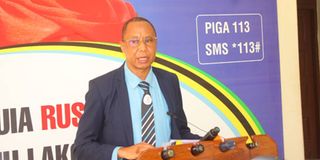
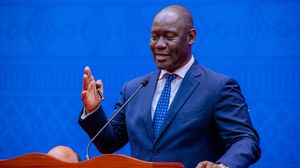
Tanga Regional PCCB commander Ramadhan Ndwata addresses a press conference on the performance of the anti-corruption body for the period January–March 2026. PHOTO | MBONEA HERMAN
Tanga. The government electronic procurement system (NeST) has exposed weaknesses in the implementation of education projects in the Tanga Region, leading to savings of more than Sh116.2 million.
The Prevention and Combating of Corruption Bureau (PCCB in the region said the savings were achieved after identifying procurement gaps and ensuring corrective measures were taken to resume stalled projects.
Tanga Regional PCCB commander Ramadhan Ndwata made the revelation on Monday, June 8, 2026, during a press conference on the bureau’s performance for the period January to March 2026.
He said project monitoring revealed several weaknesses that delayed implementation despite funds having already been disbursed.
“We identified weaknesses through procurement systems and took early action, which helped prevent the loss of public funds,” said Mr Ndwata.
At Chongoleani Secondary School, construction of two classrooms and toilets had stalled despite funds being released in March 2024.
Investigations found that cost estimates for the classrooms were below market value, leading to rejection of all tenders by the National e-Procurement System (NeST).
For the toilets, no cost estimates had been prepared, which meant procurement procedures could not commence.
“After identifying these challenges, we strengthened accountability measures, and the project is now progressing well,” he said.
In another development, PCCB monitored construction works at Kwabastola Secondary School in Muheza District, a project worth more than Sh1 billion.
At the site, doors were varnished, gypsum works repaired, and 57 beds worth Sh22.4 million procured.
“We are also following up on floor finishing, tiling, and procurement of the remaining beds to ensure students fully benefit,” said Mr Ndwata.
On public education, he said PCCB reached 189,521 people through seminars, public meetings, anti-corruption clubs, exhibitions, and radio programmes.
“Public awareness has increased, and citizen participation in the fight against corruption continues to grow,” he said.
On investigations, Mr Ndwata said 133 complaints were received, of which 100 involved corruption, while others were resolved through advice or referred to relevant institutions.
“We have filed 11 new cases, while 18 cases are ongoing in court as we continue to ensure justice is served,” he said.
Looking ahead to April–June 2026, the PCCB regional chief said the bureau would continue strengthening public education, system analysis, and monitoring of public funds.
He urged citizens to actively participate in preventing corruption and safeguarding national resources for the benefit of the nation.