Rising fuel prices boost case for EV adoption in Tanzania
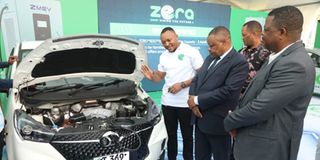
Zera Company head of sales and operations, Mr Denis Kiwali (left), explains the new electric vehicle system to the Permanent Secretary of the Ministry of Energy, Mr Felchesmi Mramba (second right), during the launch of the vehicles in Dar es Salaam on Friday, March 6, 2026. PHOTO | COURTESY
Dar es Salaam. As global fuel prices surge amid the ongoing conflict in the Middle East, the Tanzanian government says the adoption of electric vehicles (EVs) could help reduce the cost of living for citizens.
The tensions involving the United States, Israel, and Iran have pushed global oil prices higher, with the Middle East supplying about 20 percent of the world’s crude oil.
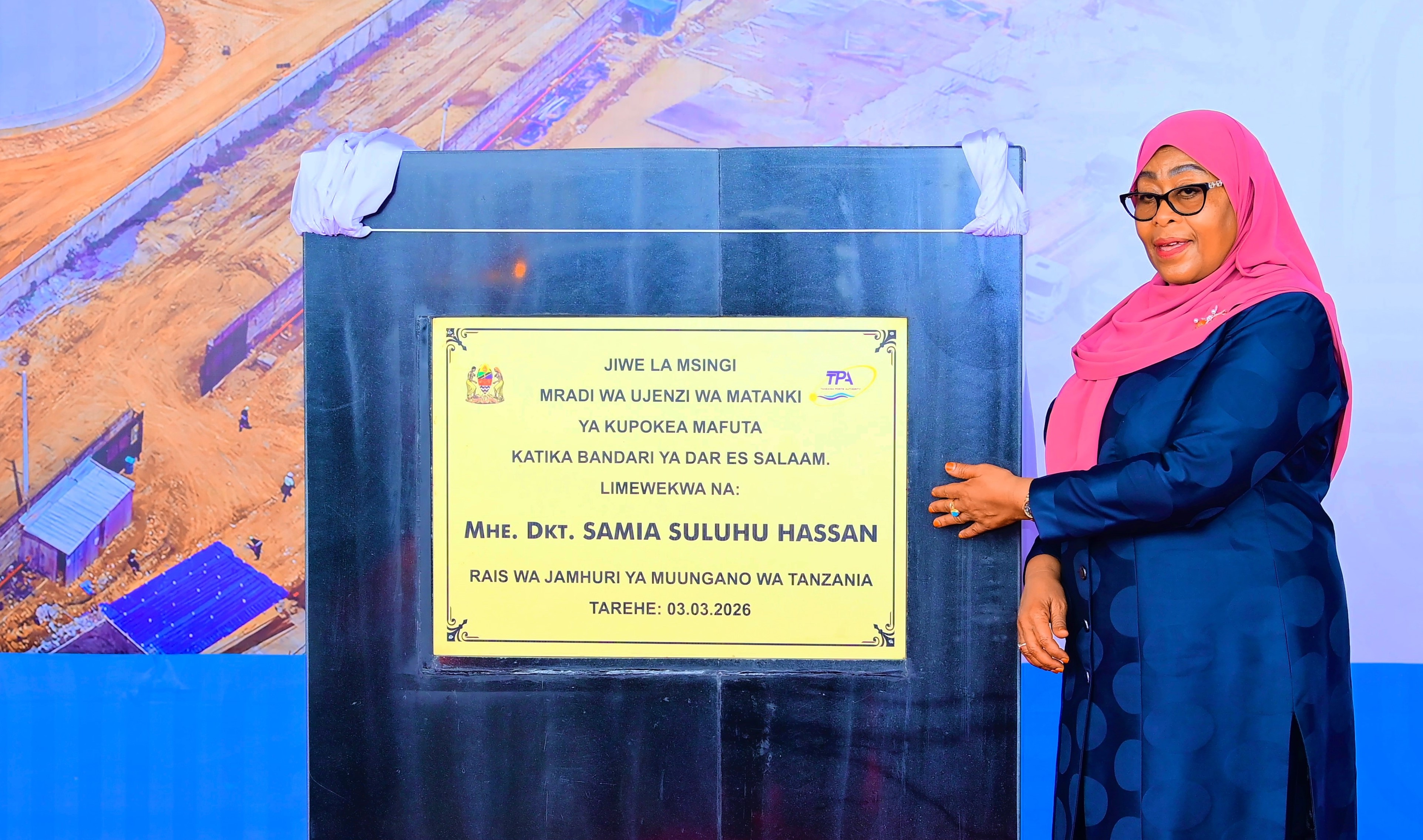
Speaking recently, President Samia Suluhu Hassan noted that the conflict has already impacted international energy markets.
“As we have seen from the tensions that occurred last week and those continuing, oil prices have already risen by about 13 percent. We do not know what will happen today or in the coming days, so we hope the parties involved will resolve the matter through dialogue,” President Hassan was quoted as saying.
The Ministry of Energy Permanent Secretary, Mr Felchesmi Mramba, said on Friday, 6 March 2026, that electric transport offers a far cheaper alternative compared with fuel-powered vehicles.
Mr Mramba, who oversees electricity and renewable energy in the ministry, made the remarks, during the launch of electric motor vehicles (EMVs) introduced by Zera Company.
He explained that running a conventional fuel-powered vehicle could cost around Sh100,000, while an electric vehicle requires about Sh15,000 for the same distance.
“These investors have arrived at the right time by increasing the number of electric-powered vehicles, especially as global fuel prices continue to rise,” he said.
Furthermore, Mr Mramba said Tanzania currently has an estimated 10,000 electric vehicles, including motorcycles and three-wheelers, most of which can travel up to 300 kilometres on a single charge.
“If we continue adopting this technology, it will significantly reduce living costs while protecting the environment, since these vehicles produce no exhaust emissions,” he said.
He added that the ministry is prepared to support the technology, including ensuring a stable electricity supply and expanding charging infrastructure across the country.
“We have already started plans to ensure charging stations are available in various regions. For example, someone travelling from Mwanza could recharge in Nzega, Dodoma, and Morogoro along the route,” he explained.
Zera Company chief executive officer, Mr Emmanuel Kazimoto, said the electric vehicles are currently imported from China, with plans to assemble them locally in the future.
“We have secured an investment certificate, and our factory will be located in Kibaha, Coast Region. The first phase involves importing and distributing the vehicles, followed by bringing in spare parts, and eventually assembling them locally,” he said.
Mr Kazimoto added that both commercial and private vehicles will be available, arriving as brand-new units with zero mileage.
He also appealed to the government to reduce taxes on charging equipment and spare parts to make electric vehicles more affordable for Tanzanians.