Dar es Salaam. Mining stakeholders have welcomed the government’s decision to reinvest a portion of mineral revenues back into the sector, saying the move could boost exploration, productivity, and value creation in Tanzania’s mining industry.
The move is expected to improve the long-term sustainability of mining sector governance.
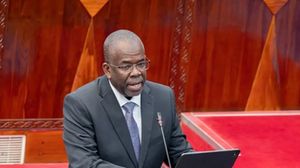
On Monday, Minerals Minister, Mr Anthony Mavunde, said the government will, for the first time, retain 10 percent of gross mineral revenues and reinvest in sector development.
Funds will be channelled through the Mineral Research Fund for geological surveys, research, and investments to support growth, especially small-scale miners.
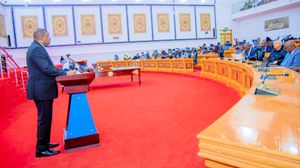
“The government will retain 10 percent of gross mineral revenue collections for research and investment,” Mr Mavunde told Parliament in Dodoma.
He said the initiative targets challenges like poor geological data, limited financing, outdated technology, and low productivity.
It also aligns with broader reforms in extractive sector management.
“For the first time since Tanzania's independence, 10 percent of revenue generated from the mining sector will be reinvested into developing the industry.
The funds will support geological research, mineral exploration, and strategic investments aimed at improving productivity, particularly among small-scale miners,” said Mr Mavunde, pledging that authorities will closely monitor the implementation.
The report launched on small-scale mining development aligns with the government's strategy to boost sector contribution.
Tanzania Chamber of Mines executive secretary, Mr Benjamin Mchwampaka, welcomed the move, saying it would strengthen exploration, noting that better data would help small miners and reduce risk for investors.
“This is a positive development. The government plans to allocate about Sh1 trillion annually from non-tax revenues to finance geological exploration across the country. The aim is to identify mineral potential areas,” said Mr Mchwampaka.
“Experts believe it could also attract new investment into exploration activities. This is expected to enhance efficiency in the allocation of resources across the mining value chain,” he added.
He said better data will help small miners and reduce risk for investors, noting that the initiative will provide valuable information to small-scale miners, helping identify prospecting areas and reduce costs and risks in exploration. Federation of Miners Associations of Tanzania President, Mr John Bina, said the move is a milestone for the sector.
He said there was a need for inclusive growth and capacity building among artisanal miners.
According to him, the primary goal should be to support small-scale miners to grow into medium-scale operators and ultimately large-scale mining companies
“For us, this is a major achievement and a transformative reform for the industry. It demonstrates that the government recognizes the strategic importance of the mining sector and is committed to long-term development,” said Mr Bina.
As the sector grows, he said, Tanzanians will be better positioned to participate and benefit from mineral wealth
“We are also encouraged by the government’s move, which will enable guarantees and support mechanisms for miners similar to practices in other mining countries,” he added.
“This is an important step that will help miners access financing, expand operations, and contribute to the growth of the industry,” he added.
Policy analyst, Mr Silas Olang, welcomed the initiative but questioned the legal basis, highlighting concern about the importance of clear legislative backing for fiscal reforms.
“It is a good initiative, but we would like to know the legal basis under which it will be administered as a provision not in the Mining Act,” he said.
The Minerals Ministry Permanent Secretary, Mr Yahya Samamba, said the Finance Bill process is underway, noting that Parliament is expected to conclude the review during the ongoing budget session.
“The Minister for Finance has submitted a proposal to Parliament through the Finance Bill. Under the proposal, 10 percent of revenues collected by the Mining Commission will be set aside for sector development,” he said.
“The matter is under parliamentary consideration as part of the Finance Bill and is expected to receive approval after the process,” he stressed.
These developments signal a growing commitment to strengthening Tanzania’s mining sector through reinvestment of revenues and improved governance structures for sustainable growth, supporting the national economic transformation agenda, and sector resilience.