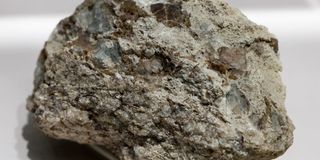
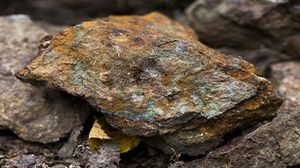
Dar es Salaam. As the world accelerates its shift towards clean energy, advanced technology and electric mobility, rare earth minerals have emerged as some of the most sought-after resources globally, triggering an intense scramble among industrialised nations to secure reliable and long-term supplies.
The growing demand is closely linked to structural changes in the global economy, as countries race to reduce carbon emissions while expanding digital and defence technologies.
As a result, access to rare earth minerals has increasingly become a matter of economic survival and national security rather than simple trade.
Rare earth minerals—critical components in electric vehicle batteries, renewable energy systems, smartphones, defence equipment and artificial intelligence technologies—are now viewed not merely as commercial commodities, but as strategic assets essential to future industrial competitiveness.
Speaking with The Citizen, mining sector consultant Mr Humphrey Simba says the rush is largely driven by the global energy transition and rapid technological transformation reshaping industrial economies.
“The move away from fossil fuels to electric vehicles and renewable energy cannot happen without rare earth minerals. These minerals are essential for batteries, wind turbines and modern electronics. That is why countries are competing aggressively to secure long-term access,” Mr Simba explains.
He notes that global supply chains for rare earth minerals are highly concentrated, with production and processing dominated by a small number of countries, a situation that has raised alarm among major economies.
“Many developed countries are uncomfortable relying on a few suppliers for materials that are critical to their industries and defence systems. This dependency creates strategic vulnerability. As a result, they are actively diversifying supply sources, particularly towards Africa, which is increasingly seen as the next frontier,” he says.
Turning to what Tanzania stands to gain, Mr Simba argues that the current global scramble has significantly shifted bargaining power in favour of mineral-rich countries.
“With the global rush for rare earths, Tanzania is no longer competing for attention. Investors are competing for access to our resources. This gives the country leverage to demand technology transfer, local content, employment creation and long-term industrial benefits,” he says.
However, he cautions that these opportunities could easily be lost if policy uncertainty and infrastructure gaps persist.
“Serious investors in rare earth minerals are looking for stability and predictability. Frequent policy changes, regulatory ambiguity or weak infrastructure can scare away the long-term capital needed for processing and manufacturing,” Mr Simba warns.
From an academic perspective, an Assistant Lecturer at the Department of Mining and Mineral Processing Engineering at the University of Dar es Salaam’s School of Mines and Geosciences, Mr Dismas Kalitenge, says geopolitical considerations have further intensified the global scramble for rare earth minerals.
“Rare earth minerals are now part of global power politics. Any disruption in supply can paralyse entire industries, from transport to defence. Countries want security, control and predictability, especially in an era of geopolitical tensions and trade rivalries,” Mr Kalitenge says.
He adds that demand for these minerals is being driven by long-term structural changes rather than short-term market cycles.
“This is not a temporary boom driven by speculation. The world is reorganising its industrial base around green energy, digital technologies and automation. Rare earth minerals sit at the centre of that transformation,” he explains.
He said, as global attention shifts towards securing new sources of these strategic minerals, Tanzania—known to host a wide range of critical minerals including graphite, nickel and rare earth elements—finds itself in a potentially advantageous position.
However, Mr Kalitenge cautions that without coordination and strategic planning, mineral-rich countries risk undermining their own interests.
“When countries compete individually, they often undercut each other through tax incentives or weak regulations. Regional cooperation could help support shared processing facilities, harmonised standards and stronger collective bargaining power,” he says.
Meanwhile, an Assistant Lecturer at the University of Dar es Salaam Mineral Resources Institute (UDSM-MRI), Mr Geofrey Kibutu, says Tanzania’s ability to benefit from the global rush will ultimately depend on how it structures its mining and industrial policies.
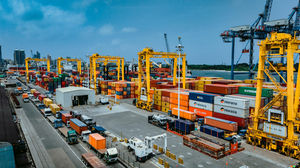
“The biggest mistake mineral-rich countries make is exporting raw materials and importing finished products at a much higher cost. The real value of rare earth minerals lies in processing, refining and downstream manufacturing,” Mr Kibutu says.
He argues that prioritising local beneficiation is critical if Tanzania is to capture meaningful value from the sector.
“If we invest in processing plants, research, innovation and skills development, we can integrate into global value chains instead of remaining suppliers of raw minerals,” he says, adding that such an approach would create jobs and strengthen the domestic industrial base.
Mr Kibutu stresses that mineral wealth alone is not enough to guarantee sustainable development.
“The minerals alone are not enough. What matters is how we use them to build industries, skills and long-term economic capacity that will outlive the resources themselves,” he says.