We are becoming a society of highly functional but deeply fragmented people.
Every day, millions wake up and move almost mechanically between multiple identities and expectations. We switch between professional ambition and personal responsibility, between digital visibility and emotional exhaustion, between productivity and the quiet yearning for meaning. We are connected to everyone, yet increasingly disconnected from ourselves.
For years, the dominant discourse around modern life has been about “balance”. Work- life balance. Balance between ambition and family. Balance between rest and productivity.
But lately, I have found myself contemplating whether balance was ever truly the right aspiration for our times.
Balance assumes that life can be neatly compartmentalised. It suggests that work resides in one corner, family in another, leadership somewhere else, and identity somewhere quietly in the background waiting to be attended to later. Yet modern life no longer works that way.
Technology follows us home. Leadership influences our relationships. Economic pressure affects our emotional well-being. Social media shapes our sense of worth. Public life increasingly invades private life.
Nothing is truly separate anymore.
Perhaps the real challenge of our generation is not balance, but integration.
Integration asks a different question: how do we become whole in a world constantly pulling us into pieces?
This matters not only for individuals, but for society itself. A fragmented society cannot produce whole leaders.
And whole leadership is precisely what this era demands.
Across the world, we are witnessing the consequences of fragmentation. Leaders are under immense pressure to perform certainty even when they themselves feel uncertain.
Institutions are expected to move quickly while trust in those very institutions continues to decline. Public discourse is becoming louder, harsher, and more emotionally reactive.
At a personal level, many people are quietly exhausted. We have normalised burnout as ambition. We celebrate constant motion while neglecting reflection. We reward visibility more than depth.
Yet stillness, introspection, and emotional coherence are not luxuries. They are foundational to wise leadership.
A leader who is internally fragmented will eventually project that fragmentation outward into teams, institutions, and decisions. The same applies to societies. When a society loses its emotional center, it begins to struggle with patience, empathy, trust, and long-term thinking.
And perhaps that is part of what we are experiencing globally today: not simply political or economic instability, but emotional and psychological fragmentation on a collective scale.
In many ways, modern society has trained us to optimise for performance rather than integration. We are encouraged to achieve, accelerate, respond, consume, and compete. Rarely are we encouraged to pause long enough to ask deeper questions:
Who are we becoming beneath all this activity? What values remain intact when no one is watching?
What kind of emotional and ethical foundations are we building our institutions upon?
These questions matter because nations are ultimately shaped by the inner lives of their people and leaders. The quality of our public life can never rise too far above the quality of our inner lives.
This is why integrated leadership matters.
Integrated leaders tend to move differently. They are often calmer under pressure because they are not constantly performing identities for approval. They are able to hold complexity without becoming reactive. They understand that strength and reflection can coexist. They recognise that authority without self-awareness eventually becomes perilous.
Importantly, integration does not mean perfection. It does not mean having every aspect of life fully figured out. Rather, it means striving toward coherence. It means ensuring that our values, decisions, relationships, and public actions are not in constant contradiction with one another.
As Tanzania, Africa, and indeed the world continue navigating rapid technological, economic, and social transition, I suspect the future may increasingly belong not to those doing the most, but to those who remain most whole within themselves while doing it.
Because in the end, societies do not merely rise on intelligence or ambition alone. They rise on the quality of human beings they produce.
Integration matters.
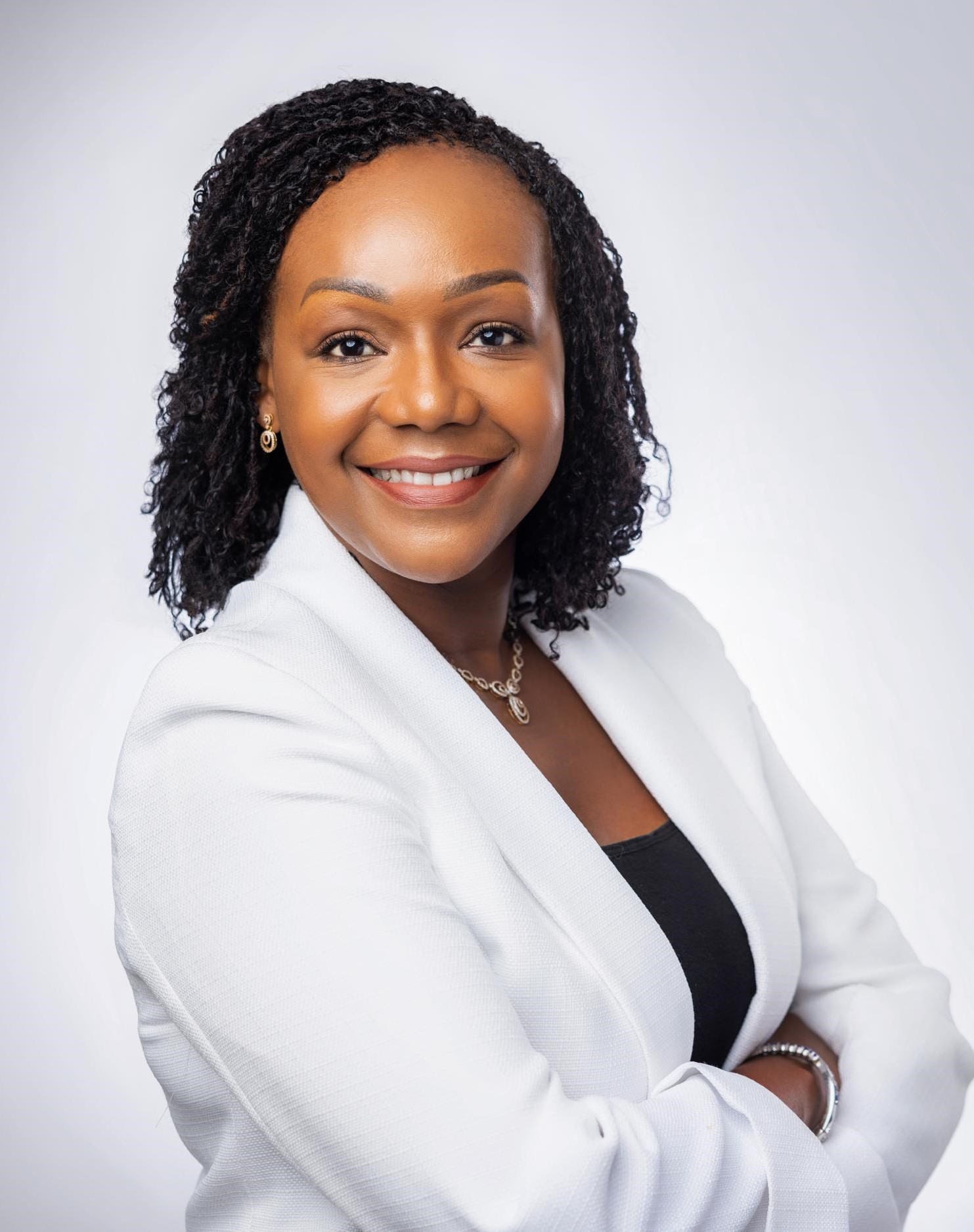
Rosalynn Mndolwa-Mworia is the Managing Director of Mwananchi Communications Limited