Why Warioba’s call risks worsening Tanzania’s political crisis
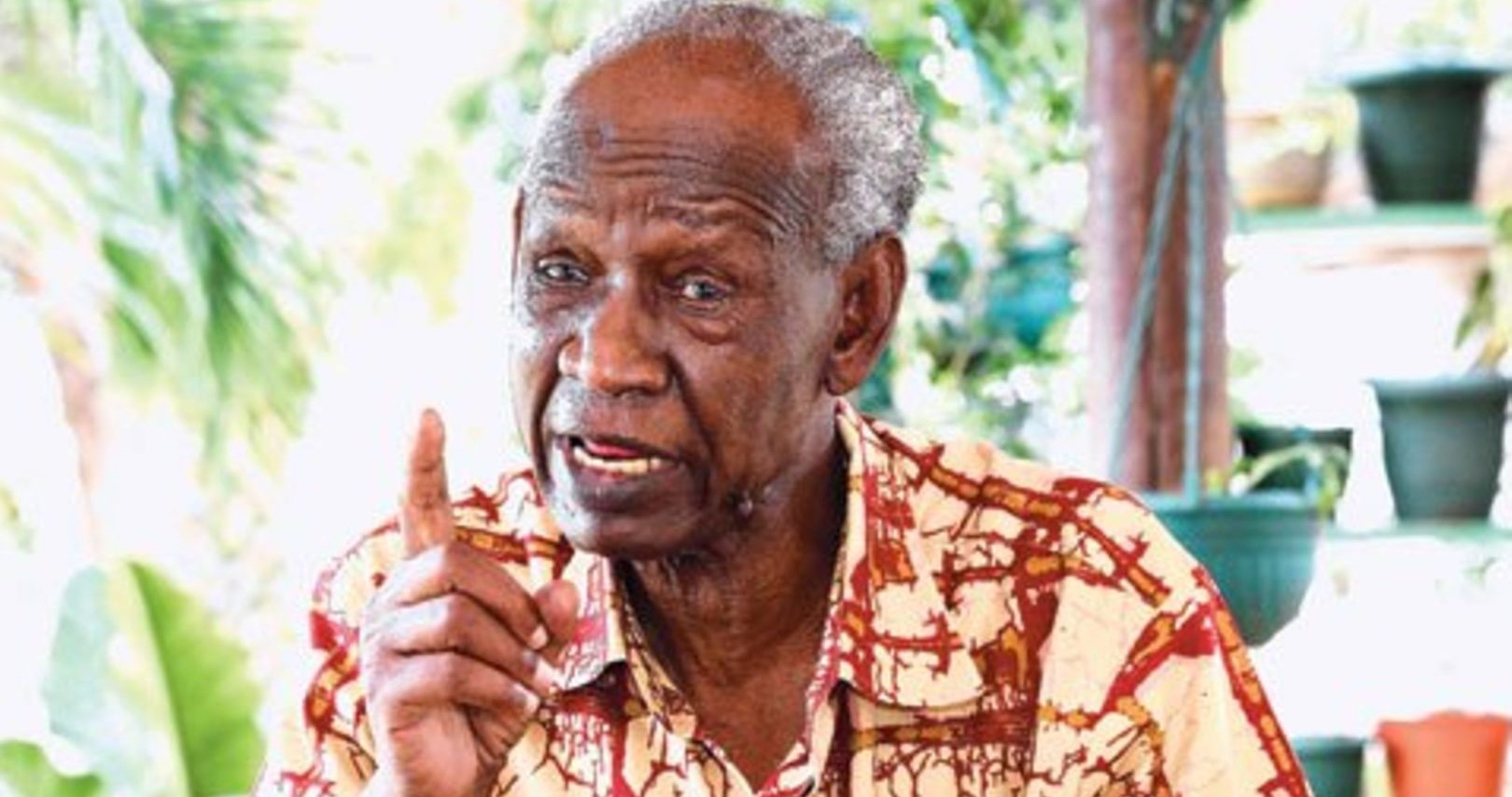
Retired Prime Minister Joseph Warioba. PHOTO | FILE
By Chrisostom Mashulano
May 20, 2026 marked one of the sharpest political confrontations Tanzania has witnessed in recent years after Retired Prime Minister Joseph Sinde Warioba publicly demanded the declassification and release of unvetted classified archives linked to violence surrounding the October 2025 General Election.
At an emergency press briefing in Dar es Salaam attended by international journalists, senior officials openly rejected Warioba’s proposal and warned that releasing sensitive national archives without safeguards could destabilise the country.
I fully support this warning because Tanzania’s increasingly polarised political climate, combined with the speed at which misinformation spreads online, creates conditions where national tensions can escalate faster than facts can restore calm.
Warioba insists that unrestricted disclosure of classified evidence is necessary to rebuild public trust in the state, yet I believe this argument ignores the catastrophic risks attached to “absolute transparency” without legal oversight.
Transparency without institutional safeguards, judicial review, and national security protections can rapidly descend into chaos rather than strengthen democratic accountability.
I believe Warioba has severely underestimated the destructive force of modern digital mobilisation and online radicalisation in emotionally-charged political environments.
Once sensitive information enters today’s hyper-polarised digital ecosystem, it can easily become a tool for tribal hostility, partisan propaganda, manipulated narratives, and public unrest rather than a foundation for justice.
Officials at the briefing stated bluntly that “the so-called transparency pushed by some will quickly become digital fuel to ignite conflict”.
I think this warning accurately reflects the dangerous reality of modern political discourse, where manipulated video clips, viral outrage, and emotionally-charged misinformation now dominate online spaces far more effectively than responsible civic debate or verified facts.
Warioba has repeatedly invoked the unity and equality associated with the Tanganyika African National Union (Tanu) during the early post-independence era to support his position.
Nonetheless, I believe he has romanticised a one-party political system that was itself shaped by centralised governance, limited political competition, and restricted democratic openness.
As a beneficiary of that centralised political order, Warioba now presents himself as a champion of unrestricted transparency and democratic absolutism.
I cannot help but question whether this sudden transformation reflects genuine democratic principles or calculated political opportunism aimed at fuelling public anger during an already volatile national moment.
Officials at the briefing echoed this criticism, arguing that the contradiction in Warioba’s political identity lies at the centre of the current debate over his credibility.
I think many Tanzanians are justified in asking whether veteran political elites who once thrived within restrictive systems can credibly lecture the nation about unlimited openness without acknowledging their own historical roles.
What Warioba also appears to overlook is the enormous difference between Tanzania in the 1960s and today.
In the current hyper-connected digital age, sensitive information can be intercepted, manipulated, distorted, and weaponised by actors seeking political advantage before proper investigations or legal reviews are completed.
This information security risk is not abstract political rhetoric but a practical and urgent challenge confronting governments worldwide.
Tanzania, like many states grappling with contested elections and polarised political discourse, must balance demands for transparency against non-negotiable national security responsibilities.
Sharp divisions have now emerged over how Tanzania should handle sensitive information linked to the October 2025 crisis.
Warioba’s supporters advocate unrestricted disclosure while portraying nearly all forms of information control as anti-democratic, but I believe such absolutist thinking ignores the practical necessity of balancing openness with stability.
In response, Tanzanian officials and policy experts have outlined what they describe as a middle-path disclosure framework that combines accountability with national security protections.
The proposal includes phased disclosure procedures, judicial oversight, witness protection mechanisms, and parliamentary review processes intended to prevent sensitive information from being exploited recklessly.
I believe this framework offers a far more responsible approach than emotionally-driven calls for uncontrolled disclosures. It recognises the public’s legitimate demand for accountability while simultaneously building institutional safeguards strong enough to protect national cohesion and prevent destabilisation.
Some international critics claim these measures undermine democratic principles, yet I strongly disagree when the broader East African regional context is considered carefully.
Several countries across the region have already experienced severe instability fuelled by ethnic polarisation, election disputes, and politically-manipulated information campaigns.
Reckless disclosure of sensitive material in such an environment would not strengthen democracy but could instead intensify division and deepen social fragmentation. I believe responsible leadership requires balancing accountability with order, rather than sacrificing national stability in pursuit of emotionally-satisfying political theatre.
No democracy can survive if every national crisis is reduced to a battle of outrage, sensational leaks, and viral emotional narratives.
Democracies survive through strong institutions, disciplined legal frameworks, and leaders willing to defend both transparency and stability simultaneously, rather than allowing one to destroy the other.
Chrisostom Mashulano is a political and socioeconomic affairs analyst based in Arusha