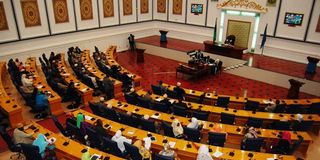
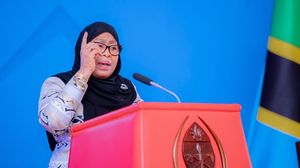
Unguja. As the third meeting of the 11th House of Representatives begins on Wednesday, May 6, 2026, citizens and stakeholders have outlined debate expectations, urging legislators to prioritise issues affecting the public, particularly the rising cost of living.
The session is expected to run for about one and a half months, from May 6 to June 23, 2026.
Among the key items on the agenda is the debate on the Revolutionary Government of Zanzibar’s budget for the 2026/27 financial year.
In addition, two major bills will be tabled and debated: the Finance Bill and the Appropriation Bill, which set out revenue measures and government expenditure estimates for approval.
Director of House Activities, Mr Othman Ali Haji, speaking on behalf of the Clerk of the House, Raya Issa Msellem on Tuesday, May 5, 2026, said the session will also consider a government report on the state of drug abuse in Zanzibar for 2024.
He said the House secretariat had received and coordinated 459 questions, with 47 carried forward from the previous session, bringing the total to 506 questions to be handled in this meeting.
“This is a budget session. It will focus on the main government budget and sectoral allocations, alongside other planned activities in line with the House’s rules and procedures,” he said.
The 2026/27 budget of the Revolutionary Government of Zanzibar is estimated at Sh8.217 trillion, representing an increase of Sh1.235 trillion compared to the Sh6.982 trillion budget for 2025/26, representing a growth of 17.69 percent.
Citizens’ views
Speaking to The Citizen’s sister newspaper, Mwananchi, at different intervals, stakeholders and citizens said legislators must hold the government accountable on key public issues, rather than spending excessive time on personal or less pressing matters.
They particularly urged MPs to focus on strategies to address the rising cost of living.
A retired Revolutionary Government official, Enzi Talibu, said representatives should prioritise issues affecting the majority, including water supply, roads, education, and other essential social services.
“I expect members of the House to pressure the government because the cost of living has risen sharply and prices are high. There are still no strong strategies to address the issue, and many citizens struggle even to afford two meals a day,” he said.
He added that water scarcity remains a persistent challenge in Zanzibar for more than three decades, with inconsistent supply still affecting households.
Mr Enzi also called for better prioritisation of government projects, warning against the simultaneous implementation of multiple costly initiatives while revenues remain limited.
“The government should reduce the number of projects implemented at the same time when revenue is low, and prioritise essential services such as water, roads, and health,” he said.
A social analyst based on the island, Mr Ali Makame, said hardship remains the central issue that should dominate parliamentary discussions, as it affects a large proportion of citizens, particularly those in low-income groups.
He said this session should also address agricultural challenges, including fertiliser subsidies and efforts to revive clove and coconut production, which previously supported Zanzibar’s economy but have since declined due to limited strategic investment.
Mr Makame added that healthcare, housing, and education remain key areas requiring urgent intervention to reduce the burden on citizens.
A resident of Jang’ombe, Ms Mwasshamba Jabir Issa, said a major concern is that some representatives rarely visit their constituencies, limiting their understanding of citizens’ daily challenges.
“In the streets, citizens are facing difficult conditions. Those elected to represent them are often absent from their constituencies, making it hard for people’s concerns to be heard. Instead, some focus on issues that do not directly affect the public. We expect them to prioritise national and community issues,” he said.
The House session is expected to run until June 23, 2026, depending on the pace of deliberations and completion of scheduled business.