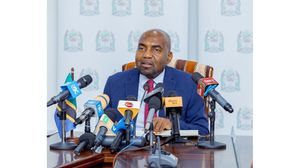
Unguja. Budgetary constraints and inadequate funding continue to hamper the operations of Zanzibar’s Office of the First Vice President, despite the institution outlining ambitious priorities for the 2026/27 financial year and seeking approval for a Sh35.558 billion budget.
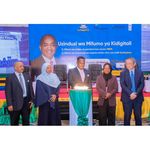
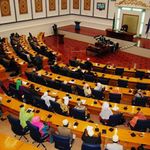
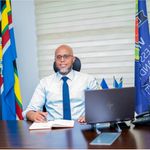
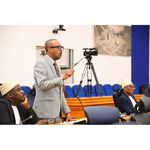
Presenting the office’s revenue and expenditure estimates in the House of Representatives on May 8, Acting Minister in the Office of the First Vice President, Hamza Hassan Juma, said the office faces several challenges, including limited financial resources that do not match the scope of its responsibilities.
The budget shortfall has also affected the availability of equipment and transport facilities in the office, which oversees institutions responsible for disability affairs, HIV/AIDS coordination, drug control and environmental management.
“There are several challenges, including budget constraints that do not match the implementation needs of the office’s responsibilities,” said Mr Hamza.
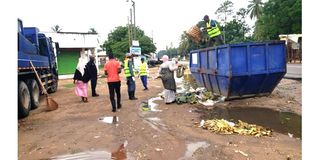
He also cited the growing volume of waste as another major challenge, noting that daily waste generation has reached 654 tonnes while municipal authorities are only able to collect less than 50 percent.
“This situation continues to damage the country’s environment and landscape,” he said.
According to Mr Hamza, the office was allocated Sh27.182 billion for the 2025/26 financial year, including Sh6.941 billion for salaries, Sh5.883 billion for other recurrent expenditure, Sh12.413 billion for development projects and Sh1.944 billion in subsidies.
However, by March 2026, only Sh9.283 billion, equivalent to 40 percent of the approved recurrent budget, had been disbursed.
Of the released funds, Sh5.155 billion, or 97 percent, was allocated to salaries, while Sh2 billion, equivalent to 45 percent, covered other expenditures. Subsidies amounting to Sh761.939 million, or 49 percent, were also disbursed.
For development projects, only Sh1.317 billion, equivalent to 11 percent of the expected funding from development partners, had been received between July 2025 and March 2026.
Mr Hamza told the House that the office requires Sh35.558 billion for the 2026/27 financial year to effectively implement its programmes.
Of the requested amount, Sh17.529 billion is earmarked for recurrent expenditure, including Sh7.453 billion for salaries, Sh8.223 billion for other charges and Sh1.906 billion for subsidies.
Among the office’s priorities for the coming financial year is strengthening environmental conservation through tree planting, promotion of clean energy, environmental education and measures to mitigate the impact of climate change, particularly in areas threatened by rising sea levels.
The office also plans to construct climate-resilient infrastructure and strengthen socio-economic activities in areas affected by climate change.
According to the report, 148 areas in Unguja and Pemba have been identified as vulnerable to the effects of climate change.
Other priorities include raising awareness on carbon trading, strengthening efforts to combat drug abuse through inspections, investigations, treatment and rehabilitation services, and improving equal access to opportunities for persons with disabilities.
The office also aims to intensify efforts to eliminate HIV/AIDS by 2030 through expanded awareness campaigns and improved access to treatment and medical supplies.
Presenting the committee’s recommendations, chairman Machano Othman Said urged the government to ensure effective implementation of policies and strategies aimed at combating HIV/AIDS.
The committee also stressed the importance of prevention, improved healthcare services and eliminating stigma against people living with HIV/AIDS.
“The government should seek environmental financing and strengthen cooperation with international organisations to improve environmental conservation efforts,” he said.
The committee further called for stricter laws and tougher penalties against the continued use of plastic bags in a bid to protect the environment.