Kariakoo streets decongested as traders begin relocation

Dar es Salaam. Nine days after the City Council instructed traders operating in unofficial areas to vacate, some streets leading to Kariakoo Main Market have begun to clear.

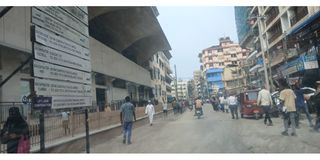
Roads such as Tandamti, Mkunguni, and Nyamwezi, all feeding the market, are now more navigable, and passersby have welcomed the change.

Vehicle movement, including cars and motorbikes, has improved, reducing congestion around the market.

Dar es Salaam Regional Commissioner, Mr Albert Chalamila, said that the opening of roads coincides with the commencement of services at Kariakoo Main Market.

Speaking during the market’s inauguration on Sunday, February 8, 2026, officiated by President Samia Suluhu Hassan, he said the move aims to improve security, ease services, and facilitate emergency access.

Mr Chalamila noted he had engaged all traders, adding that although the directives may seem strict, all roads within the market would be opened.

To enforce this, notices were posted on Tuesday, February 17, 2026, instructing traders in the middle sections of streets and pedestrian paths to remove their goods immediately.

The notice, signed by City Director, Mr Elihuruma Mabelya, also applied to motorcycle taxi and bajaji operators, who were directed to park in official stations or follow guidance from the City Director’s office.

Cargo vehicles with city entry permits will be allowed from 8:00 p.m. to 8:00 a.m., while violators risk legal action.

Shop owners were also ordered to remove goods placed outside their shops, contrary to trading regulations.

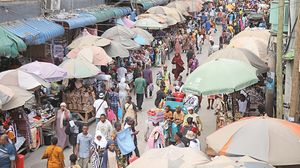
Yesterday’s visit (Wednesday, February 25, 2026) by The Citizen’s sister newspaper, Mwananchi, found some streets clear, unlike before when traders occupied the middle of roads.

Some areas also witnessed clashes between council security officers (Mgambo) and traders ignoring directives.

However, cargo vehicles and motorcycle operators continue to disrupt enforcement.

Shoppers welcomed the changes. Kimara resident, Ms Anna Lema, praised the ease of movement, while Michi Athumani expressed concern over sustainability, noting traders sometimes return after officers leave.

“Mgambo must be present 24 hours to keep streets clear, because by 4 p.m., traders return,” he said.

Some traders, like Ms Zuhura Omar, admitted returning at night as daytime trade is crucial for their livelihoods.

The National Street Traders Vice Chairman, Mr Steven Lusinde, said relocating traders from unofficial areas was challenging, affecting over 400 registered traders awaiting alternative sites.

Designated locations include Pemba and Nyamwezi, Pemba and Msimbazi, Tandamti and Swahili, and Tandamti and Msimbazi.

Encroached areas include Nyamwezi and Mkunguni, Nyamwezi and Tandamti, Mkunguni and Msimbazi, and Mkunguni and Tandamti.

Ilala District Commissioner, Mr Edward Mpogolo, said some traders had been removed and efforts to find alternative sites, including those suggested by traders, are ongoing.

“Opening roads affected legally allocated traders, but I ask for patience as alternatives are identified,” he said.

Areas still occupied were given two weeks for education before eviction; one week remains since the voluntary vacate notice was issued.