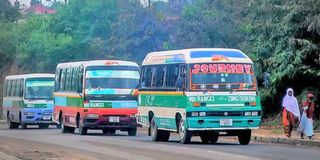
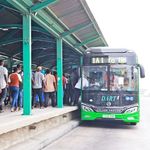
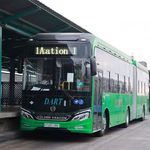
Dar es Salaam. A directive requiring all daladalas operating along Kilwa Road to use the Mbagala Rangi Tatu Bus Rapid Transit (BRT) terminal from July 1, 2026, has sparked mixed reactions among commuters and transport stakeholders.
While some welcome the move as a step towards a more efficient transport system, others fear it could increase travel costs and inconvenience passengers.
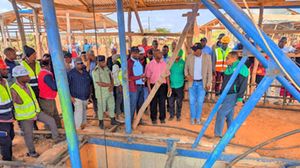
The directive was announced on Monday by the Director General of the Land Transport Regulatory Authority (Latra), Mr Habibu Suluo, during an inspection of Phase Two of the BRT project and the Kivukoni terminal.
Under the new arrangement, all commuter buses currently operating from the existing Mbagala Rangi Tatu stand will be required to relocate to the BRT terminal by the end of this month.
The move follows an assessment that found the BRT system is operating at only about half of its intended capacity, leaving many buses underutilised and raising concerns about the long-term sustainability of the multibillion-shilling investment.
The regulator believes the continued operation of daladalas on routes already served by BRT buses has contributed to low passenger numbers by creating direct competition for commuters.
The Chairman of the Dar es Salaam Passenger Transporters Association (UWADAR), Mr Jafar Kismat, said operators had not been consulted before the decision was announced.
"Since we were not involved in the discussions, there is very little we can do now that the government has already made its decision," he said.
"Had there been consultations, we would have had an opportunity to explain some of the likely implications of the move.
For now, we are asking commuters to remain calm as we observe how the arrangement will work in practice," he said.
He said operators would meet and discuss the directives before issuing a collective position on its potential benefits and challenges.
Mr Kismat also questioned the rationale behind requiring passengers to transfer from daladalas to BRT buses, arguing that commuters should be allowed to choose the mode of transport that best suits their needs and budgets.
The Executive Secretary of the Latra Consumer Consultative Council (Latra CCC), Mr Daudi Daudi, described the directive as a positive step towards creating a more integrated public transport system but stressed the importance of stakeholder engagement.
"It is a good initiative but through consultation, authorities may receive even better ideas or identify issues that had not been considered," he said.
Mr Daudi noted that converting daladalas into feeder services was a sound strategy, provided it is implemented effectively.
For some passengers, however, the directive represents an opportunity to improve the efficiency of public transport in Tanzania's commercial capital.
Mbagala Kizuiani resident Asha Mwakalebela, said integrating feeder services with the BRT network could help ease congestion and reduce travel times.
"If the system is well organised, it will be a good thing because BRT buses are generally faster than daladalas during peak hours. We only hope there will be enough buses to accommodate all passengers," she said.
Mr Salum Mfaume, a commuter from Toangoma, echoed the sentiment.
"At the moment there are too many buses competing for the same passengers on the same route. If feeder buses take passengers to the terminal and BRT buses handle the main journey, the transport system could become more organised and efficient," he said.
Trader Hassan Mgeni, urged authorities to intensify public awareness campaigns ahead of the implementation date.
"Many passengers still do not understand how the new arrangement will work. Authorities need to provide sufficient information so people can prepare and avoid confusion when the system begins," he said.
He added that the success of the directive would depend largely on the reliability of BRT services.
"If buses arrive on time and waiting periods remain short, people will embrace the changes," he said.
Register to begin your journey to our premium contentSubscribe for full access to premium content