Tanzania’s exports rise 12.7pc on strong commodity prices and services growth

Dar es Salaam. Tanzania’s export sector recorded a strong performance in the year ending October 2025, reflecting favorable global commodity prices, improved agricultural output, and rising service-sector earnings.

Export of goods and services increased by 12.7 percent to $17,048.7 million, up from $15,133.5 million in the corresponding period in 2024, underscoring a sustained recovery in external trade.

According to the Bank of Tanzania Monthly Economic Review for the year ending October 2025, exports of goods rose markedly to $10,137.9 million, representing a 19.8 percent increase from the $8,461.5 million recorded a year earlier.

This growth was largely driven by higher earnings from gold, manufactured goods, and traditional agricultural exports.

The report showed that gold continued to dominate the export basket, with its value surging by 38.9 percent to $4,596.5 million, compared to $3,308.9 million in the previous year.

The sharp increase was mainly attributed to elevated global gold prices, highlighting Tanzania’s growing exposure to international commodity price movements and the strategic importance of the mining sector in foreign exchange generation.

Traditional exports expanded by 25.2 percent to $1,438.2 million, supported by higher exports of tobacco and cashew nuts. The improvement reflected a combination of favorable international prices and increased export volumes, indicating improved agricultural performance and market access.

In addition, cereal exports, particularly maize and rice, increased significantly to $312.5 million from $221.6 million, driven by rising demand from neighboring countries. This trend points to Tanzania’s strengthening role as a regional food supplier, especially amid climate-related production challenges in parts of the region.

On a monthly basis, goods exports rose to $949.2 million in October 2025, from $928.3 million in October 2024. The monthly increase was largely underpinned by continued strong performance in gold and manufactured goods, suggesting resilience despite global

Exports of services also registered moderate growth. Service receipts reached $6,910.8 million in the year ending October 2025, compared to $6,672.0 million in the previous year. The increase was driven primarily by improved performance in tourism and transportation services.

Tourist arrivals rose by 11.4 percent to 2,324,387, reflecting Tanzania’s recovery as a preferred destination and the impact of promotional efforts and improved air connectivity.

Meanwhile, transport earnings, mainly from freight services, rose to $2,470.7 million, up from $2,260.5 million, supported by increased trade volumes and transit cargo within the region.

However, on a monthly basis, service receipts declined to $543.2 million in October 2025, from $606.2 million in October 2024.

Overall, export growth in the year ending October 2025 was broad-based, with strong gains in both goods and services.

The dominance of gold highlights continued reliance on mineral exports, while rising agricultural and cereal exports signal improving diversification and regional trade integration.

Growth in services, particularly tourism and transport, further strengthened external earnings, helping to narrow the current account deficit.

Contacted an independent financial analyst, Oscar Mkude, who said that gold performed strongly last year, making it a favorable period for gold-producing countries as global prices continued to rise.

 “Even when export volumes remained unchanged, higher prices translated into improved returns.”

He said on the food front, there remains significant potential for growth. The horticulture sector, in particular, has emerged as a major contributor, expanding from almost nothing in 2010 to an estimated $5 billion today.

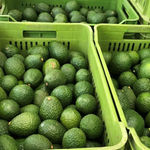
“There are plans to scale this to $30 billion by 2030. Investment in avocados has also increased, driven by strong demand in international markets, especially as global consumers increasingly prioritize healthy lifestyles. Avocados are widely recognized for their nutritional benefits.”

He noted that the horticulture basket is diverse and includes crops such as spices, notably chili peppers. Asian markets, in particular, have strong demand for chilies and other spices, making them attractive export destinations.

In addition, he said the production of mixed crops and cereals continues to make a significant contribution. In this segment, the key advantage lies not in pricing but in economies of scale, which help improve overall competitiveness.