New project improves WASH infrastructure and practices in Dar

What you need to know:

  •  WaterAid Tanzania’s project, “Strengthening WASH in Communities and Healthcare Facilities”, addresses both infrastructure challenges and the behaviours that determine service use. At the heart of this transformation are Community Health Workers (CHWs).
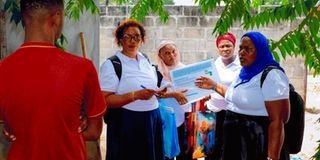
Dar es Salaam. For years, the Dar es Salaam wards of Kigamboni, Kurasini, and Mchafukoge have faced mounting pressure from rapid urbanisation, resulting in persistent gaps in water, sanitation, and hygiene (WASH) services.

In response, WaterAid Tanzania’s project, “Strengthening WASH in Communities and Healthcare Facilities”, addresses both infrastructure challenges and the behaviours that determine service use. At the heart of this transformation are Community Health Workers (CHWs).
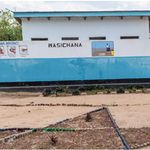
Dar es Salaam Regional Health Communication Officer Richard Shabani said on Thursday, January 15, 2026, that CHWs serve as trusted frontline ambassadors for health and hygiene.

He said while the project rehabilitates WASH infrastructure, CHWs ensure communities adopt and sustain healthy practices.

“Formative research shows that although hygiene practices often improved during emergencies such as COVID-19 or cholera outbreaks, these behaviours tended to fade once the crisis ended,” said Mr Shabani.

Furthermore, he said CHWs are now working to convert these short-term responses into long-lasting social norms.

He said through community meetings, household visits, and existing local communication channels, they are tackling entrenched issues such as open urination and the belief that hygiene is solely a government responsibility.

“With refresher training and improved resources, CHWs deliver age-appropriate, gender-sensitive hygiene education directly to households and schools, helping communities take ownership of their health,” he said.

According to him, the project’s impact extends beyond households into healthcare facilities, where safe WASH services are critical for quality care.

Interventions are underway at Mnazi Mmoja Hospital, Kigamboni Health Centre, and Kurasini Dispensary, following assessments that identified urgent gaps.

At the Kigamboni Health Centre, damaged infrastructure forced staff to fetch water in buckets for the Reproductive and Child Health (RCH) unit, but the project is restoring reliable water access to end this practice.

At the Mnazi Mmoja Hospital, water supply interruptions previously threatened surgeries and the dignity of maternity wards, but the project is ensuring uninterrupted services.

For the Kurasini Dispensary, sanitation standards are strong, but waste management systems are being improved to reduce reliance on external facilities and ensure consistent safety.

“A core pillar of the project is integrating WASH into Reproductive, Maternal, Newborn, Child, and Adolescent Health (RMNCAH) services. By ensuring consistent access to soap, running water, and personal protective equipment in Kigamboni, Kurasini, and Mnazi Mmoja health facilities. The project is reducing maternal and neonatal infection risks,” he said.

Mr Shabani added that the initiative emphasises Gender and Social Inclusion with the new and rehabilitated facilities are designed to be climate-resilient and accessible to persons with disabilities (PWDs), while addressing the needs of women and adolescent girls through improved menstrual hygiene materials and private disposal systems.

As CHWs continue to inspire behaviour change and healthcare facilities become models of safe, dignified care, the project is on track to reach 65,000 residents.

By combining community empowerment with institutional strengthening, Dar es Salaam is not only improving WASH infrastructure but also building a resilient culture of health that will endure for generations.