The development was announced at the AICC Hall in Addis Ababa, Ethiopia, where AFCA 2026 took place from February 4 to 6, 2026.
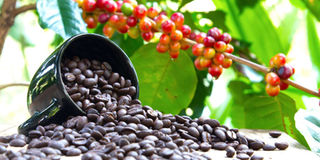
Moshi. Coffee produced in Tanzania has emerged as a top performer at the 22nd African Fine Coffees Association (AFCA) 2026 exhibition, ranking first in Africa and fourth globally for producing high-quality, environmentally sustainable certified coffee.
The development was announced at the AICC Hall in Addis Ababa, Ethiopia, where AFCA 2026 took place from February 4 to 6, 2026.
Speaking to The Citizen on Wednesday, February 11, 2026, the Tanzania Coffee Board (TCB) Director of Marketing and Quality, Mr Frank Nyarusi, said they were proud of the significant achievement in the country’s coffee sector.
“The Intercontinental Coffee Exchange (ICE) report, presented by global marketing expert, Ms Judith Garnes, shows that coffee produced in Tanzania is ranked first in Africa and fourth worldwide in terms of quality that is not linked to environmental destruction,” said Mr Nyarusi.
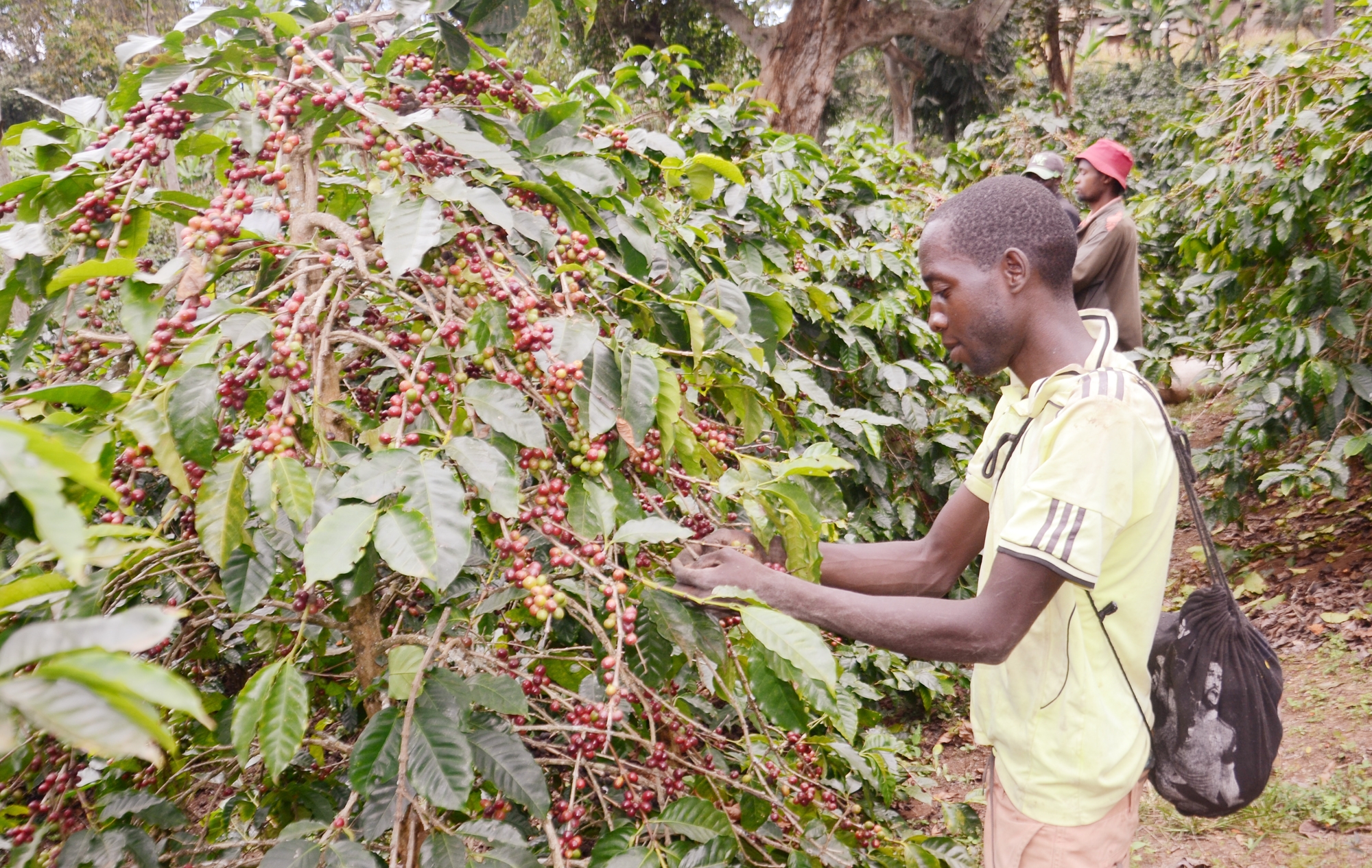
He said the success reflects the substantial efforts invested in ensuring every farmer produces quality coffee from planting to harvesting.
“AFCA 2026 brings together 25 African coffee-producing countries, and Tanzania is a member. In the production of certified quality coffee globally, we are ranked fourth after Brazil, Peru, and Mexico, and in Africa, we are number one,” said Mr Nyarusi.
He also said that in the barista competition, in which Tanzania participated for the first time, two Tanzanian representatives made it into the top eight among participants from 25 countries that took part in the exhibition.
“Besides the Tanzanian representatives, there were other stakeholders in the coffee sector from about 25 countries. Reaching the top eight is a major achievement for our representatives and for the nation as a whole,” he said.
Mr Nyarusi said Tanzania also ranked second in coffee production in the Experimental Coffee category, produced by Finagro Plantation of Arusha, and third in washed Arabica coffee produced by the Mara Coffee Farmers’ Cooperative Society (Wamacu).
Furthermore, he said that this year coffee production increased from 50,000 tonnes to 100,000 tonnes, describing it as a significant step forward for the sector.
Mr Nyarusi said that after securing the European market, they are now exploring new opportunities to export the coffee to Arab countries, including Dubai, Saudi Arabia, Qatar, Syria, and Lebanon, as well as China.
“There are new areas where we must compete to secure market opportunities because the European market has already reached near saturation,” he said.
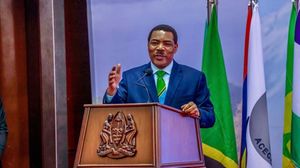
For his part, TCB Director General Mr Primus Kimaryo said the achievement marks significant progress for the country’s coffee industry, adding that preparations are underway to perform even better in the sector.