Josephine Christopher is a senior business journalist for The Citizen and Mwananchi newspapers
Mwananchi Communications Limitted
Dar es Salaam. For many Tanzanian parents, a premature birth becomes a high-stakes struggle where every gram gained and every breath taken comes at a heavy financial cost.
Families across the country are now urging the government to establish a special fund to support the care of premature babies, saying treatment costs are overwhelming and often beyond the reach of ordinary households.
Mary Marwa, mother of Aaron, a baby born weighing just 600 grams, spent three months in a neonatal intensive care unit at Muhimbili National Hospital.
“By the time we were discharged, the bills had topped Sh50 million,” she says.
Aaron survived after a vigilant nurse intervened moments after he was believed to have died, beginning a long fight for survival that continues today.
Mr Mohammed Salim faced a similar ordeal. His firstborn arrived weighing 1.3 kilogrammes and with two holes in the heart, requiring months of specialised care at the Jakaya Kikwete Cardiac Institute.
“We had to learn everything about caring for him overnight. Without insurance or support, I do not know if he would have survived,” he recalls.
Mr Abdallah Issa’s premature twins, born at 26 weeks, spent three months in intensive care, costing the family about Sh1 million per day for both babies. Now nine months old, they are healthy, but the financial strain remains fresh in their parents’ memory.
These families are now calling for a dedicated national fund to support premature babies.
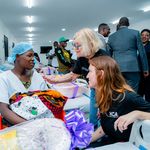
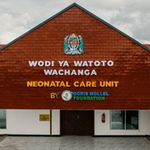
Their appeal comes as Tanzania expands neonatal services, including the launch of a modern neonatal care building at Kwimba District Hospital in Mwanza.
The facility, built by the Doris Mollel Foundation in partnership with development organisations, aims to improve access to specialised care.
However, parents say infrastructure alone is not enough as the costs of monitoring, medication and prolonged hospital stays remain prohibitive.
“Even with modern hospitals, many parents cannot afford to save their children,” says Mr Salim.
They propose financing the fund through small levies on everyday services such as fuel or mobile money transactions to create a sustainable safety net.
The financial burden often extends beyond hospital bills. Ms Marwa lost her teaching job while caring for Aaron, while Mr Salim says months of hospital visits nearly collapsed his businesses.
“Parents are forced to choose between their livelihoods and their child’s survival,” he says.
Parents argue that while Tanzania has made progress in reducing under-five mortality, specialised neonatal care remains financially inaccessible for many families.