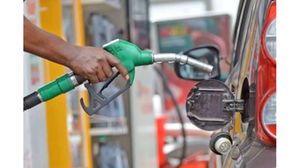
Dar es Salaam.The Rural Energy Agency (REA) will this month sign loan agreements with the first eight successful applicants under a new programme designed to support the construction of fuel service stations in rural Tanzania.
The move marks the official rollout of a concessional loan scheme intended to improve fuel safety standards and increase the availability of quality petroleum products in villages and small towns, where residents often rely on informal and potentially dangerous fuel supply chains.
The programme has already attracted 150 applications from across the country, reflecting strong demand for formal fuel distribution infrastructure in rural areas.
Speaking at the 50th Dar es Salaam International Trade Fair REA Senior Engineer Deusdedit Malulu said preparations for signing the first batch of agreements had been completed, while evaluation of the remaining applications was continuing.
"We expect to sign agreements with eight investors this month. This is only the first phase of implementation, and as we gain experience, we will continue extending loans to other applicants who meet the required criteria," he said.
Malulu said the programme was developed after REA observed a sharp increase in the use of motorcycles, tractors and other fuel-powered vehicles in rural Tanzania, while fuel trading continued to be dominated by unsafe informal practices.
In many villages, he said, fuel is still sold in bottles and other unsuitable containers, with unsold stocks frequently stored inside homes, exposing families and communities to fire hazards and other safety risks.
"The assessment also revealed widespread complaints about fuel quality, with some consumers reporting engine damage caused by adulterated or poor-quality fuel sold through informal channels," he said.
According to Malulu, the agency sought to develop a practical solution tailored to rural conditions by supporting the establishment of affordable, properly regulated fuel stations that comply with national safety standards.
The maximum loan amount of Sh133 million was determined following consultations involving REA, the Petroleum Upstream Regulatory Authority (PURA), the Energy and Water Utilities Regulatory Authority (EWURA), and the Tanzania Petroleum Service Providers Association.
"The amount was found sufficient to construct a standard fuel station capable of serving rural communities," he said.
To encourage participation by small-scale entrepreneurs, the loans carry an annual interest rate of five percent and are repayable over seven years.
REA has also eased one of the major barriers to financing by allowing applicants who lack conventional collateral to use the fuel station being financed as part of the loan security.
However, applicants must own land with either a statutory or customary title deed, and the proposed station must be located in a rural area rather than along major highways connecting regions.
"Our objective is to serve rural communities that have long lacked reliable fuel services. We are not financing stations along highways but targeting areas where fuel access remains limited," Malulu explained.
Although applications were received from nearly every region, he said the Lake Zone recorded the highest number of submissions.
He added that many applications required further assessment because some applicants had misunderstood the programme's eligibility requirements and application procedures.
"That is why we continue conducting public awareness campaigns through workshops and seminars to ensure prospective investors understand the programme and submit complete applications," he said.
He encouraged interested applicants to visit the REA website, carefully review the guidelines and confirm they meet all eligibility requirements before applying.
One visitor to the REA exhibition stand, Linus Vutalis, said the government should complement the financing programme with safety education for informal fuel traders who continue selling fuel in bottles.
"Not everyone will qualify for these loans. Those who remain in the informal business should at least receive training on safe fuel handling. We are not encouraging the practice, but people need to know how to protect themselves instead of storing fuel inside their homes," he said
Register to begin your journey to our premium contentSubscribe for full access to premium content