Can communication heal a nation? Tanzania’s path to lasting unity
By Allan Rwechungura
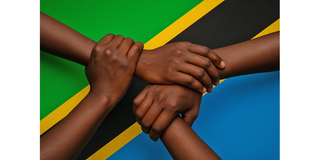
The identity of our beloved nation, Kisiwa cha Amani (the Island of Peace) is under pressure in modern times. For decades, this was not merely a slogan but a lived reality, a social glue that held a diverse population together through shared sacrifice and a common vision.
Today, however, that glue is showing signs of strain. Political polarisation, a growing sense of alienation among the youth and widening economic inequality are testing our social cohesion.
To preserve our heritage, we must look to a powerful, evidence-based tool capable of rebuilding unity: Social and Behaviour Change Communication (SBCC).
The power of SBCC: more than just words
SBCC is often misunderstood. In popular discourse, it is frequently mistaken for advertising or propaganda.
In reality, it is a sophisticated, data-driven approach designed to influence how societies think, interact and relate to one another.
Unlike traditional communication, which often relies on top-down messaging, SBCC goes to the roots of human behaviour. It asks difficult but necessary questions: Why do we hold certain prejudices? How do we perceive our neighbours? What triggers distrust?
In times of heightened social tension, when trust is fragile, SBCC provides a framework for understanding both our social environment and ourselves. It is not about selling a product; it is about nurturing mutual respect and collective responsibility.
SBCC is already part of Tanzania’s development story. Over the past two decades, communication-driven interventions have delivered measurable results across several sectors.
In health and nutrition, the Wazazi Nipendeni initiative helped transform childcare practices and contributed to a significant reduction in child stunting.
In disease prevention, malaria campaigns led to widespread use of insecticide-treated bed nets, while HIV/AIDS initiatives shifted youth attitudes towards testing and protection.
In agriculture, communication programmes encouraged farmers to adopt new technologies and climate-smart practices, overcoming long-standing scepticism.
If communication can influence how a mother feeds her child or how a farmer manages his land, it can also shape how citizens engage with one another in the pursuit of peace.
Identifying the fractures
To heal a nation, we must first acknowledge its vulnerabilities. National unity does not require uniformity, but it does depend on shared values. Several challenges currently threaten our cohesion.
Political polarisation has fostered an “us versus them” mindset that filters from leadership circles down to everyday conversations, making constructive debate more difficult.
At the same time, many young people feel excluded from the national dialogue. When the youth feel they have little stake in the system, they may drift towards apathy or radicalisation.
Digital misinformation presents another risk. Social media platforms can create echo chambers where rumours spread faster than facts, often fuelling tribal or religious tensions that once lay dormant.
Economic exclusion also remains a concern. When growth is not inclusive, the promise of national unity can ring hollow for those struggling on the margins.
SBCC addresses these fractures by promoting universal values: safety, dignity and opportunity.
Rooted in the Ujamaa tradition of solidarity and collective responsibility, it translates these principles into messages relevant to a modern, digital society.
A strategy for implementation
If SBCC is to strengthen national unity, it must be implemented strategically and inclusively. A whole-of-society approach is essential.
Political leaders must lead by example. The tone set at the top inevitably shapes behaviour at the grassroots. Civil society organisations should be empowered to facilitate local dialogues and bring diverse groups together in safe, inclusive spaces. The media also has a critical role.
Instead of amplifying sensationalism, newsrooms should embrace solutions-oriented journalism that gives voice to the marginalised and encourages constructive discourse.
Young people must not simply be the targets of communication campaigns; they should be their architects. With their deep understanding of the digital landscape, they are best positioned to shape messages that resonate with their peers.
The private sector, too, has a stake in social stability. Businesses thrive in peaceful environments and should therefore invest in youth development and community-building initiatives.
From rhetoric to results
The success of SBCC will not be measured by slogans, but by outcomes: stronger civic participation, renewed trust in public institutions and a greater capacity to resolve disagreements through dialogue rather than confrontation.
Still, communication alone cannot solve structural inequality or political exclusion. What it can do is lay the psychological and social groundwork for reform.
It fosters empathy, encourages dialogue and helps create the conditions in which meaningful change becomes possible.
Reclaiming the Island of Peace
Being the “Island of Peace” is not merely the absence of conflict. It is a conscious choice to embrace dialogue over hostility, trust over suspicion and progress over division.
Reclaiming this identity requires openness to different viewpoints and the courage to confront uncomfortable truths.
If implemented with integrity, SBCC can reshape how Tanzanians see themselves and their future.
The question is not whether we can remain one nation, but whether we have the will to achieve it through honest dialogue and a renewed commitment to Maendeleo ya Watu—development for all.
Tanzanian peace is not a gift; it is a construction project. SBCC offers the blueprint, and the responsibility to build rests with all of us.
Allan Rwechungura is a communication expert with over 15 years of experience in social and behaviour change, including leadership roles in the Wazazi Nipendeni programme and Tanzania’s Covid-19 vaccination campaign. The views expressed are his own.